·
Written by
Nicky Evans
We take a look at New Year traditions from cultures whose celebrations come alive in months you might not expect.
December 31 sees people worldwide celebrate the start of another calendar year with fireworks, countdowns, songs, and rituals. But in many cultures, there’s another New Year in the calendar that carries far more significance than this annual watershed. We asked the Polarsteps team to share their experiences of New Year celebrations around the world.
Nowruz (نوروز)
Fatane Rahimi/Shutterstock
This 3,000-year-old festival means ‘new day’ in Persian, and is celebrated in several countries, including Iran, Afghanistan, Tajikistan, and Pakistan, plus diaspora communities worldwide. It falls on the spring equinox, usually March 21st.
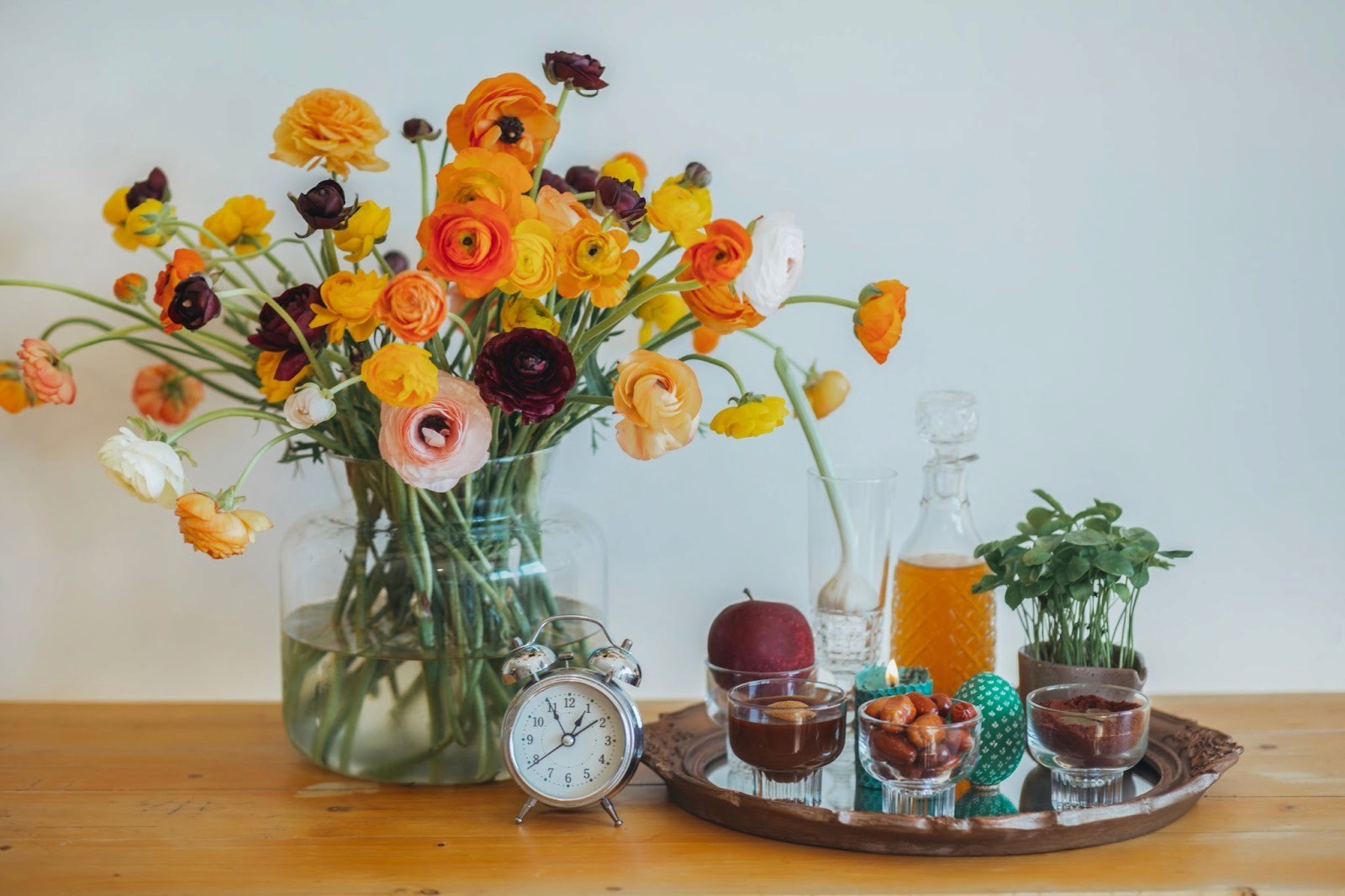
“Nowruz is the first day of spring and the beginning of the year in the Iranian calendar, so it's a time of renewal, joy, and family gatherings,” says Polarsteps Android Engineer Hanieh Hashemi, who loves setting the traditional Haft-Sin table as part of her celebrations.
“Haft-Sin translates to the ‘Seven S's’,” she explains. “The table includes seven items that start with the letter 'S' in Persian, each symbolizing a different hope for the new year. Sabzeh (wheatgrass) symbolizes rebirth, samanu (a sweet pudding) symbolizes wealth, senjed (dried fruit) symbolizes love, seer (garlic) symbolizes health, seeb (apple) symbolizes beauty, somaq (sumac) symbolizes the sunrise, and serkeh (vinegar) symbolizes patience and wisdom.”
Where to celebrate Nowruz: In Tehran (Iran), you’ll find traditional music, public performances, and cultural exhibits at Milad Tower, and see locals picnicking in the parks. In Baku (Azerbaijan), enjoy street festivals, folk music, and fireworks in the Old City (Icherisheher).
Songkran (เทศกาลสงกรานต์)
Lakkana Savaksuriyawong/Shutterstock
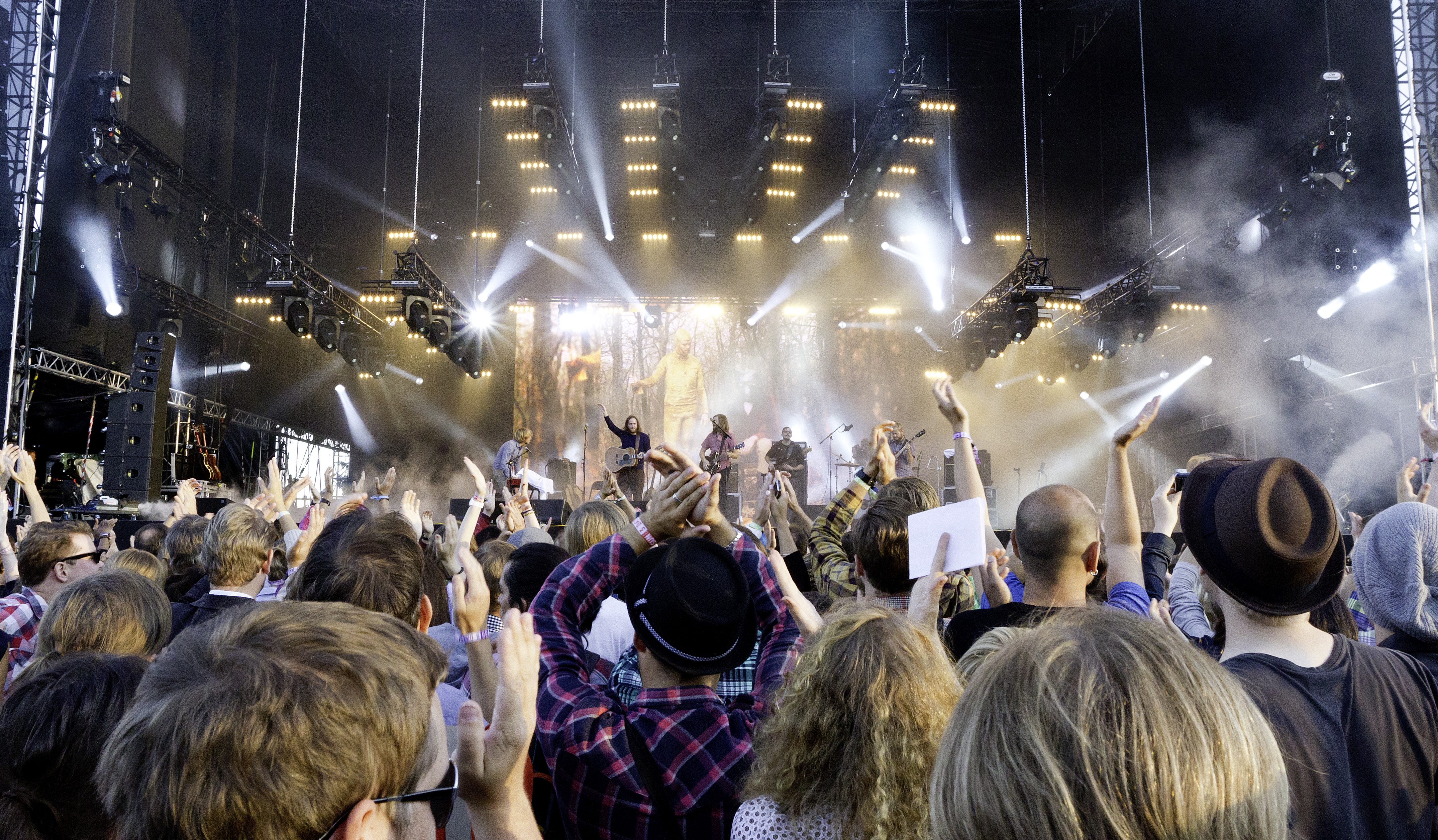
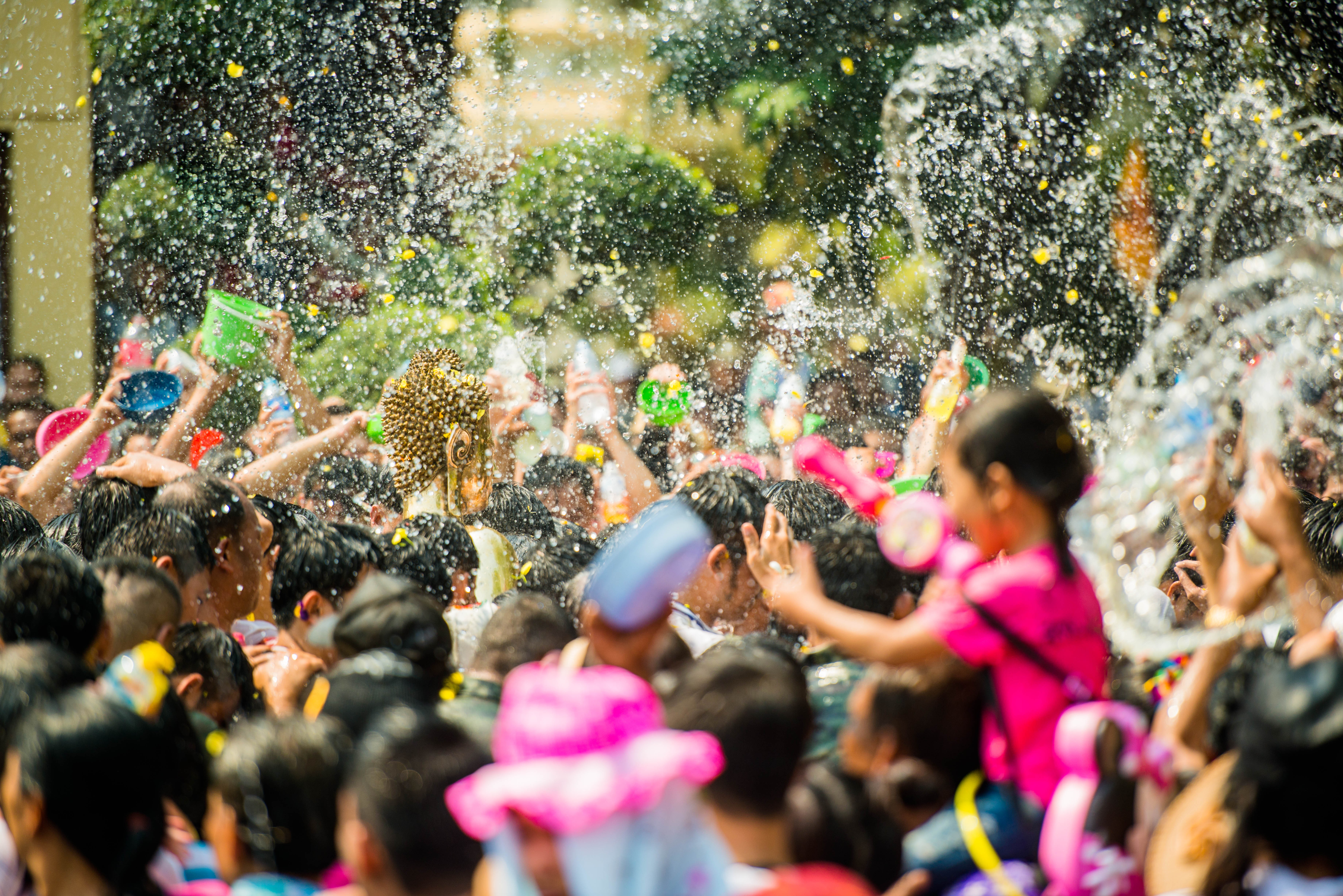
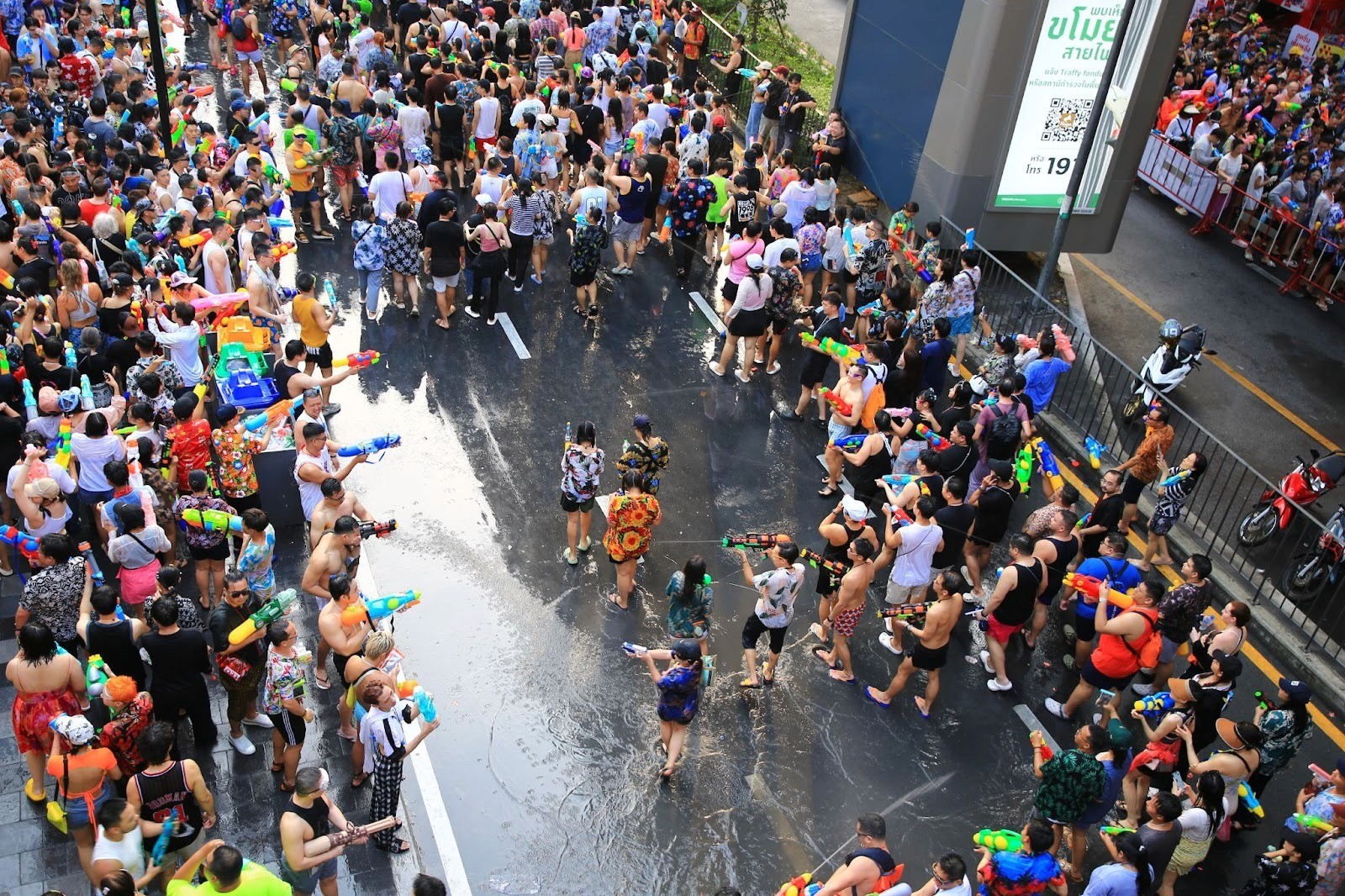
Songkran (April 13–15) is observed by Theravada Buddhists in many Southeast and South Asian countries, but it’s most widely (and wetly) celebrated in Thailand. If you’re anywhere in the country during this three-day festival, prepare to get soaked — locals take to the streets with water guns and buckets and show no mercy! The street parties continue into the night with concerts, traditional performances, and live DJs.
Although the water fights don’t stop when the clock strikes midnight on April 13, the following day is traditionally reserved for family visits, while April 15 officially marks the start of Buddhist New Year. Behind the scenes, Theravada Buddhists practice water-purifying rituals such as cleaning their homes, pouring scented water over Buddha statues, washing the hands of elder relatives, and offering alms to monks at local temples.
“We were in Bangkok for Songkran, and April 13 is also my birthday, so it was double the fun,” says Polarsteps Senior Product Manager Annelijn Vernooij. “We bought a water gun and played with water the whole day. The whole city turned into a water fight with a mix of locals and tourists, which was a lot of fun — it felt like being a child again.”
Where to celebrate Songkran: Songkran is celebrated all over Thailand, but if you want to experience its wettest street fights and biggest parties, head to Bangkok’s Khao San Road or Royal City Avenue.
Lunar New Year
CravenA/Shutterstock
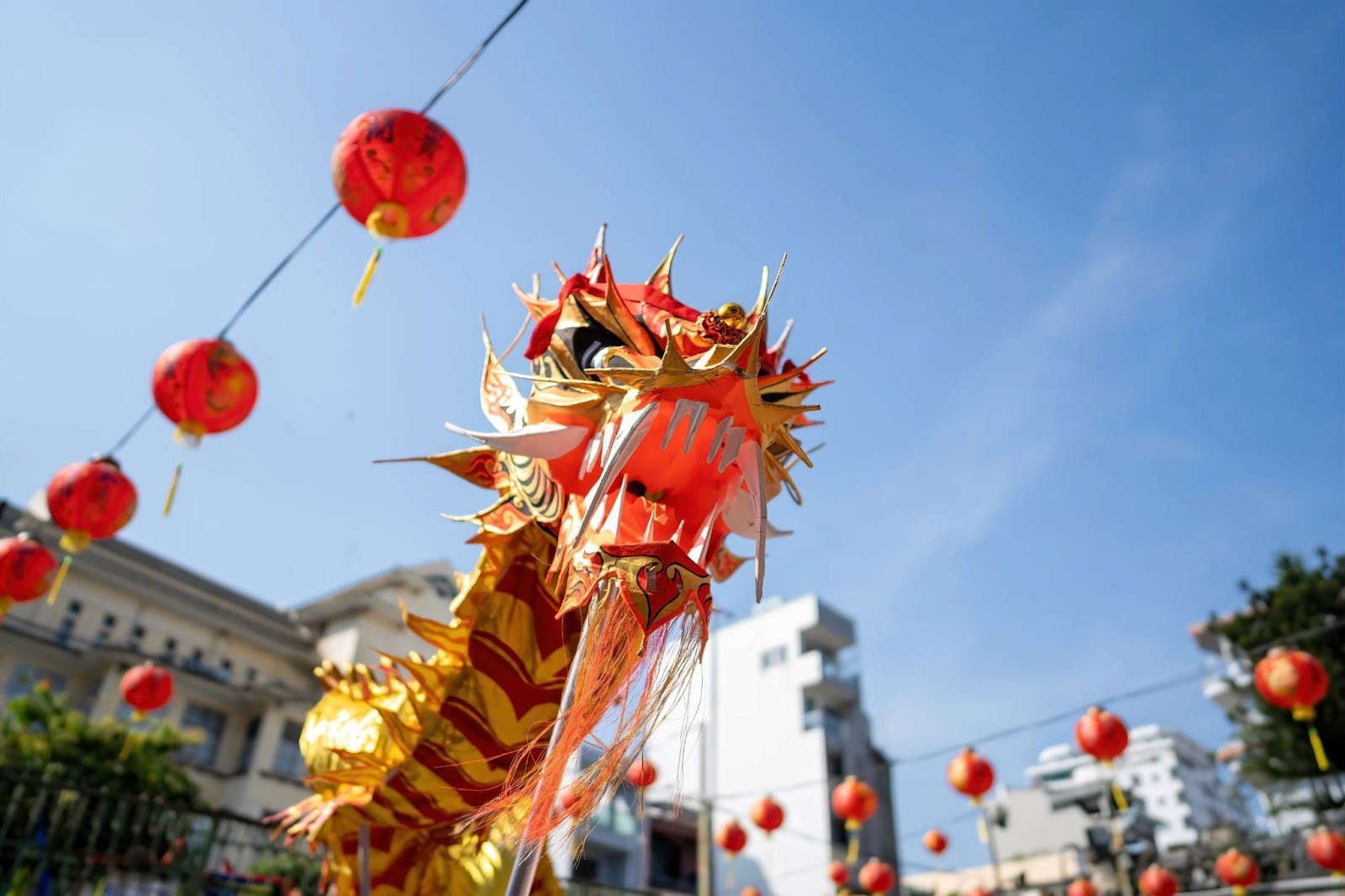
The Lunar New Year usually falls between January 21 and February 20. It’s an important celebration in many different countries, including Vietnam (where it’s known as Tết), North and South Korea (where it’s called Seollal, or 설날), and, of course, China, where huge dragon parades and lion dances are performed as just one of many rituals to drive away evil spirits and welcome prosperity. Although these celebrations are often referred to as the Lunar New Year, they’re actually based on the lunisolar calendar, which combines both moon and sun cycles.
“As visitors, my partner Yannis and I experienced Tết in Vietnam,” says Polarsteps Community & Support Specialist Eline van Delft. “The build-up was immense, with decorations, celebrations, and photoshoots in beautiful traditional clothing everywhere.
“We were in Hoi An on the big day, and were directed to a certain spot to watch the fireworks (cool!). Afterwards, everyone turned around and just quietly walked away. Walking the streets was calm and peaceful, with lots of people burning paper money [a tradition to honor ancestors] outside of their homes.”
Where to celebrate Lunar New Year: A fantastic place to celebrate Chinese New Year is Hong Kong, where the famous Night Parade sees neon floats, costumed dancers, and carnival performers fill the streets. Alternatively, in Shanghai, head to Yuyuan Garden for its spectacular lantern festival, which lasts for several weeks around the Lunar New Year.
Bear in mind that for many cultures celebrating the Lunar New Year, the public holiday is a chance for locals to spend time with their families. As a result, many businesses close, and taxis are more expensive. Spending Tết in somewhere like Hanoi can allow you to experience a less hectic version of the city. Hoi An is also a beautiful place to enjoy Tết, especially in the build-up to the festivities.
Winter solstice
Many ancient cultures used the shortest day and longest night (which falls in December in the northern hemisphere and June in the southern hemisphere) as a marker for the end of darkness and the return of light. Different peoples marked the solstice in different ways, and some traditions persist today.
Roberto Epifanio/Shutterstock
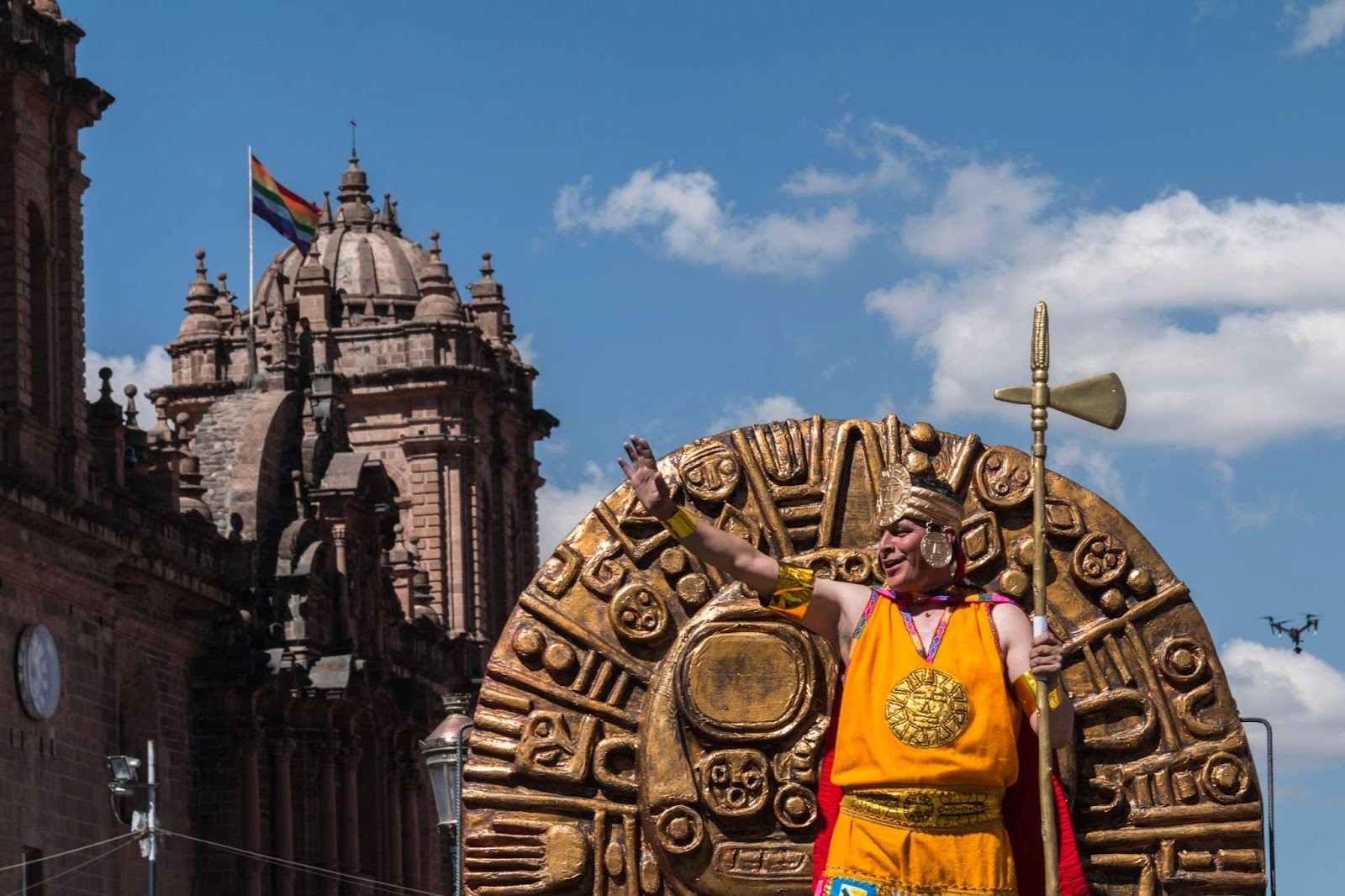
For example, in 15th-century Peru, Incan people would gather in Plaza de Armas in Cusco on the night of the winter solstice to wait for the sunrise and celebrate the Sun God, Inti Raymi. Performances of the Inti Raymi story are still held in Cusco each year on June 24 as part of a series of traditions and processions.
Over in the southwest of England, the mysterious monoliths of Stonehenge are a sacred spot for pagans, especially during the winter solstice, when the rising sun shines right into its inner circle of stones. Although the site is usually only open to visitors during the day, on solstice night people are allowed to gather for drumming, chanting, and music.
Many Native American tribes also hold ceremonies tied to the solstice. Some, such as the Hopi peoples’ Soyal celebrations, are held privately in kivas (sacred underground spaces), but others are public. For example, in New Mexico’s Chaco Canyon, people can gather at the Ancestral Puebloan observatory of Kin Kletso during the winter solstice to watch the first rays of the rising sun hitting the building (get there early, as only the first 100 visitors are granted access).
Diwali (दिवाली)
Shailendra Kumar Dwivedi/Shutterstock
Diwali is a New Year celebration observed by the vast majority of Hindus (and some Sikhs, Buddhists, and Jains) across five days in October or November, depending on the Hindu lunisolar calendar. Each day of the Festival of Lights is dedicated to different rituals, most of which symbolize the victory of light over darkness and good over evil, with the main celebrations taking place on the third day.
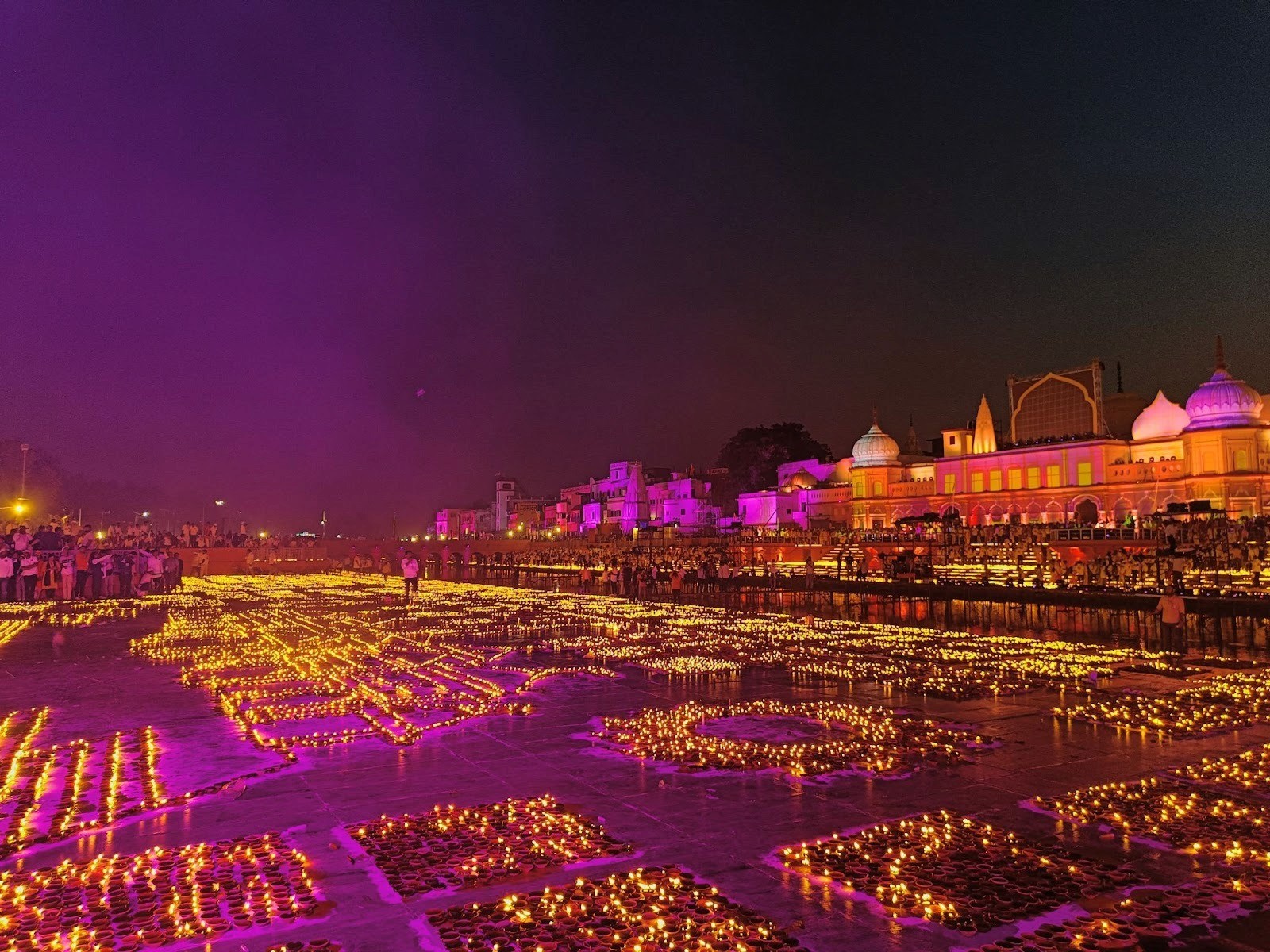
There’s no single way that Hindus celebrate Diwali, but lighting diyas (lamps) is something most people do all across India. Fireworks are also a huge part of the festivities, with organized displays competing with the firecrackers people set off in the street.
“I remember landing in New Delhi after Diwali and seeing a blanket of grey: fireworks smoke,” says Polarsteps Lead User Researcher Deanna Sim.
“I had spent Diwali itself in Pune, with a friend's family. We decorated the ground of their home with intricate patterns of colored sand and strung fresh flowers into streamers. One evening, there was a worship tradition where we shared and spread candlelight.
“It felt so meaningful to be involved in such an intimate ceremony. Even more meaningful was when my friend told me about her favourite deity and how her presence has impacted her throughout her life while we sipped on the most delicious chai I had ever tasted.”
Where to celebrate Diwali: watch the fireworks display from Marine Drive in Mumbai, or India Gate in Delhi; take in light shows projected onto Delhi’s Red Fort or Hyderabad’s Golconda Fort; or take boat rides along the Ganges River in Varanasi or the Saryu River in Ayodhya (pictured) to see the lights of thousands of diyas reflected in the water.
Aboriginal peoples and Torres Strait Islander peoples
Glanzpunkt/Shutterstock
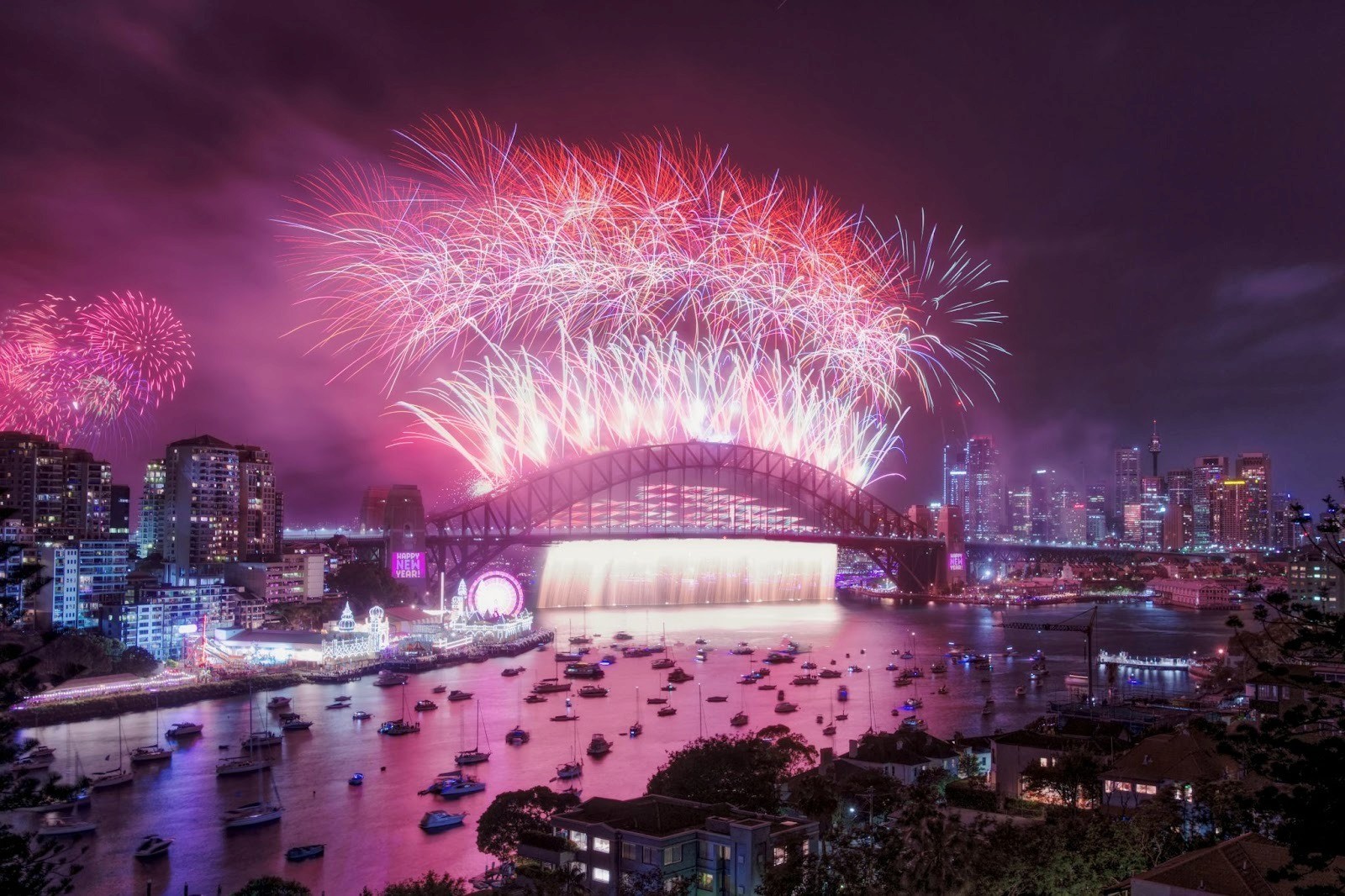
While Australia’s official calendar is the linear Gregorian clock, and Sydney’s famous fireworks coincide with the clock striking 12 on December 31, for Indigenous Australian people, time is cyclical, with no set dates to mark the year’s beginning or end.
Each of Australia’s Aboriginal communities has a different way of quantifying time that is specific to the weather, plants, and animal ecosystems of their particular Country. Nature’s pace dictates when the cycle of seasons ends and begins again. For example, in the tropical north, near Darwin, the Tiwi people have three seasons — the dry season, the build-up season, and the wet season — and 13 overlapping minor seasons such as the "season of hot feet."
In the last few years, Sydney’s end-of-year celebrations have increasingly included Aboriginal and Torres Strait Islander cultures. Calling Country, which starts at 9pm on December 31, starts with a Welcome to Country (a formal welcome to visitors by the traditional custodians of the land) and a smoking ceremony to cleanse the space. This is followed by Aboriginal-designed firework displays and light projections of works by Indigenous artists, which is a separate spectacle from the fireworks display at the countdown to midnight.
"Sydney’s New Year’s Eve fireworks are always spectacular... that waterfall of sparks off the Harbour Bridge never gets old,” says Polarsteps Marketing Lead Toby Fisher, who left his home country in 2018. “In recent years the 9pm ‘Calling Country’ segment has woven Indigenous art and culture into the night, reflecting Australia’s broader shift toward acknowledging First Nations people at major events."
Where to celebrate: “The best way to enjoy the shows is from one of the headlands around Sydney Harbour like Manly, Barangaroo, Circular Quay, or Mrs Macquarie’s Point — or, if you're lucky, out on a boat,” says Toby. “Make no mistake — you'll be faced with massive crowds, so you'll need to get there quite early if you want to claim a spot.”
Enkutatash (እንቁጣጣሽ)
Emily Marie Wilson/Shutterstock
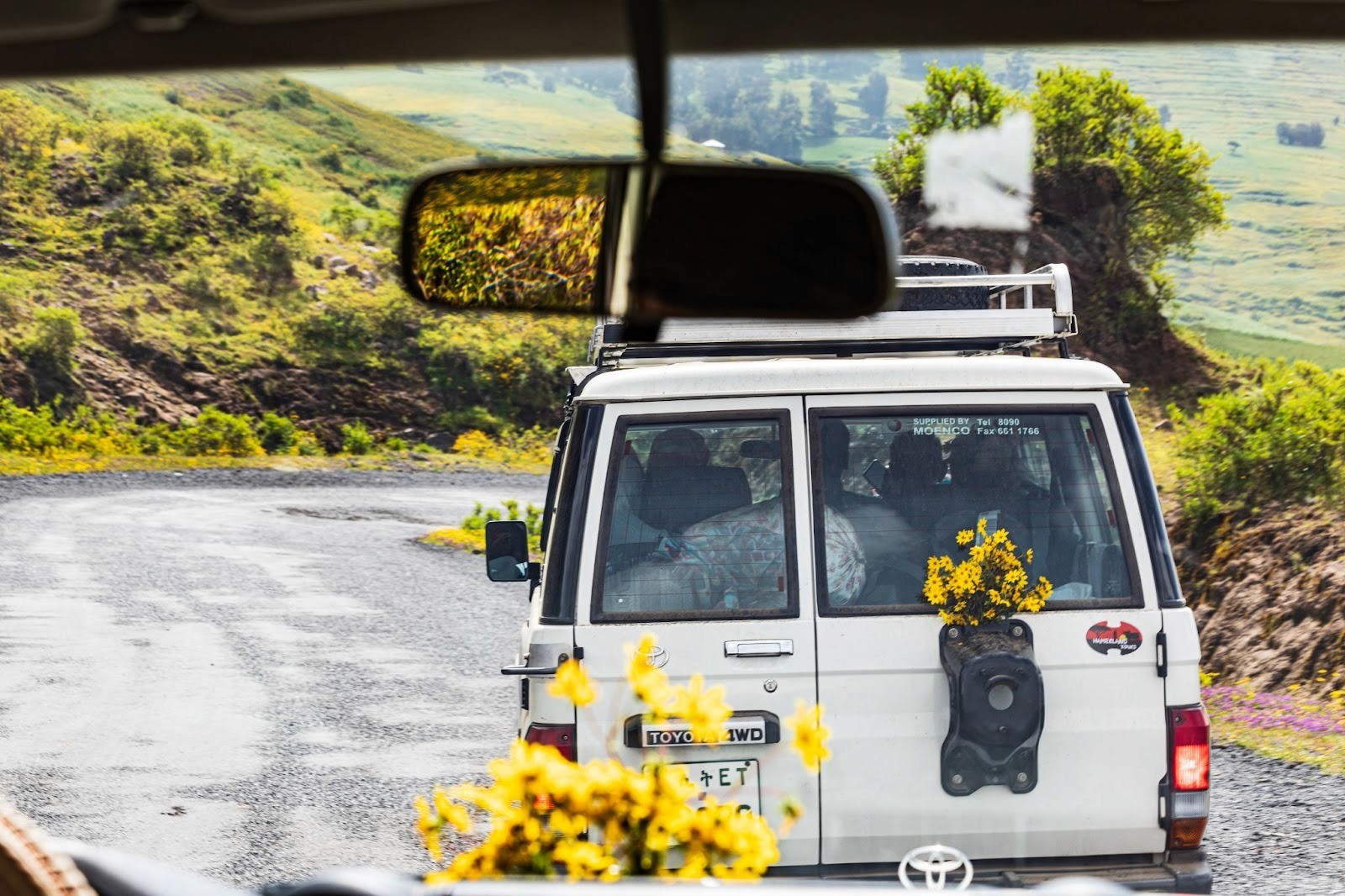
Enkutatash, which marks the end of Ethiopia’s rainy season and the start of the New Year, is usually celebrated on September 11. The festival is linked to both the return of the Queen of Sheba to Ethiopia after visiting King Solomon in Jerusalem, and to the color yellow (to match the native adey abeba flowers, which bloom after the rains). The timing is also significant — in September, the number of daylight hours is equal to the number of hours of darkness.
Celebrations blend religious and cultural traditions, and include songs, church services, festive meals, and elaborate coffee ceremonies, plus bonfires that kick off a night of dancing and music.
Where to celebrate Enkutatash: In Addis Ababa, you can watch traditional dances, live music, and the torchlight procession to Meskel Square. The historic city of Gondar is also known for its lavish Enkutatash celebrations, which include horse racing in the streets.
Inspired to experience any of these celebrations for yourself? Plan your next trip in the Polarsteps app! |
|---|
Cover image: Chuchat Treepraphakorn/Shutterstock
Nicky Evans
Polarsteps editor