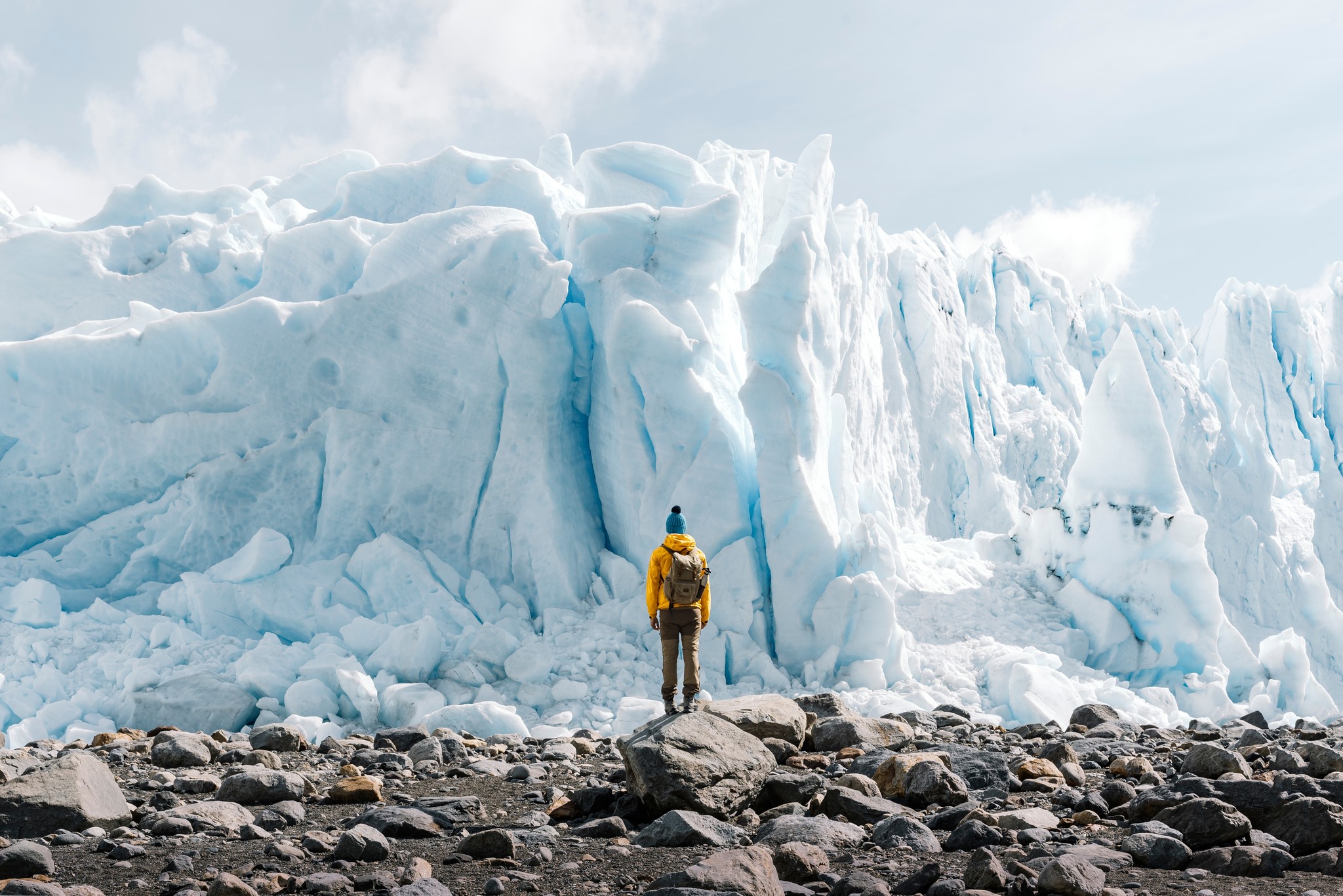
Hand-picked by our travel editors, these are the most exciting countries for adventure in the year ahead.
At Polarsteps, adventure is something we live every day, through our own travels and through the millions of journeys shared by our community around the world. Together, they give us a unique sense of the places gaining momentum, the landscapes sparking curiosity, and the experiences resonating with today’s explorers.
With a pulse on emerging trends and the perspective of an editorial team deeply immersed in travel, we’ve handpicked the countries that feel especially relevant for 2026. Each one offers new ways to explore, connect, and experience adventure with intention.
Albania
Larissa Chilanti/Shutterstock
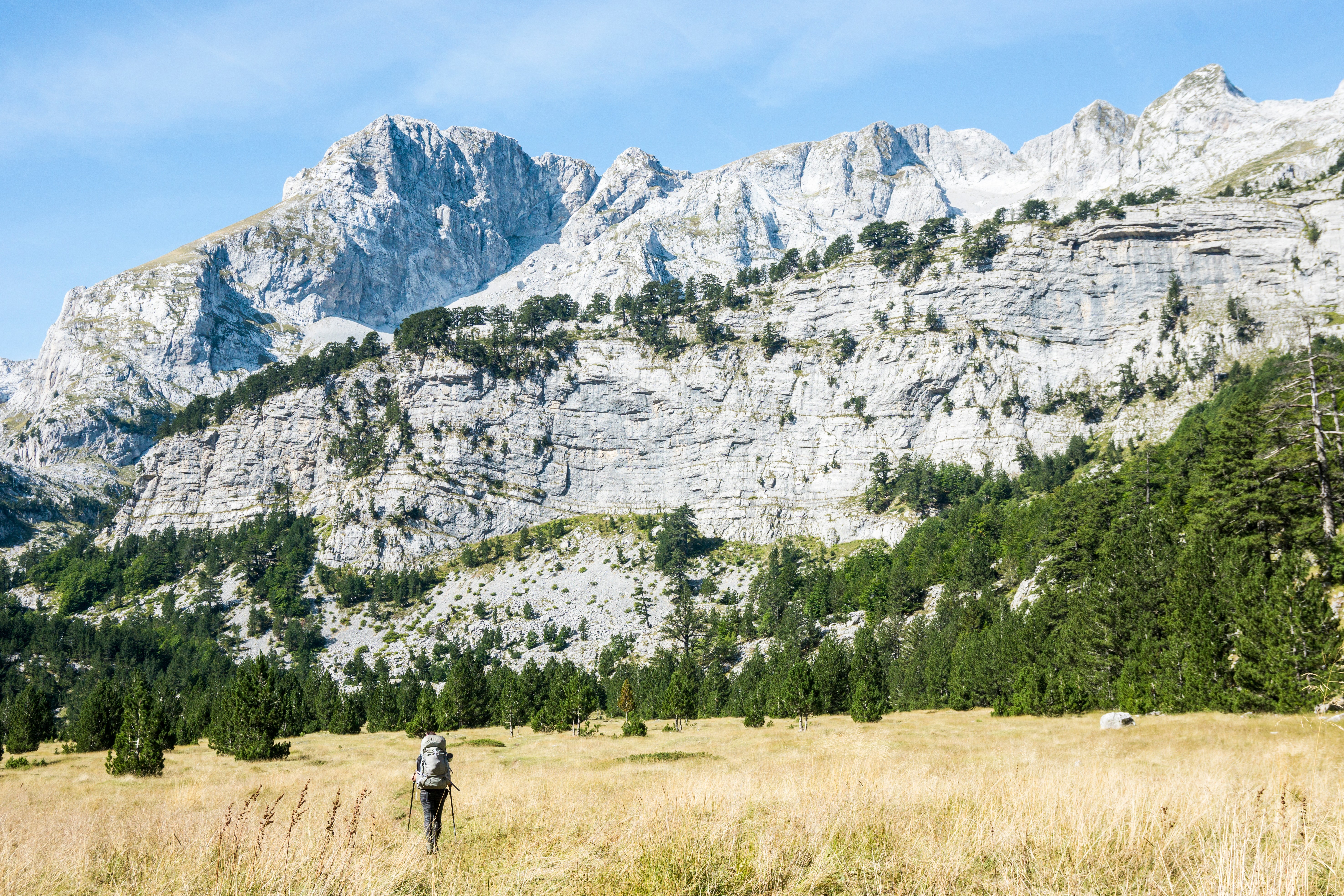
Away from the beaches and music festivals of its riviera, Albania is one of Europe’s last remaining wild frontiers, where visitors are free to experience both nature and culture away from the crowds.
Much of the country’s appeal lies in its breathtaking natural beauty and outdoor adventure opportunities: take on the multi-day Peaks of the Balkans trek or explore the world’s first wild-river national park, Vjosa. Recently designated, the park protects wilderness (and some 1,100 species) along the ice-blue Vjosa River, and offers activities such as climbing, trekking, and packrafting expeditions.
With such riches and the much-delayed Vlora International Airport opening its runways in 2026, Albania will inevitably grow in popularity. Thankfully, the nation is working hard to ensure that the types of tourism it facilitates are rooted in sustainability, so that the wild mountains, unspoiled coastline, and centuries-old traditions will be conserved for decades to come.
By Nicky Evans, Senior Travel Editor at Polarsteps
Argentina
Ekaterina Pokrovsky/Shutterstock
Stretching from subtropical jungles to Antarctic seas, with landscapes as varied as the journeys they inspire, Argentina has always been big on adventure. And in 2026, the country's wildest corners are opening up like never before.
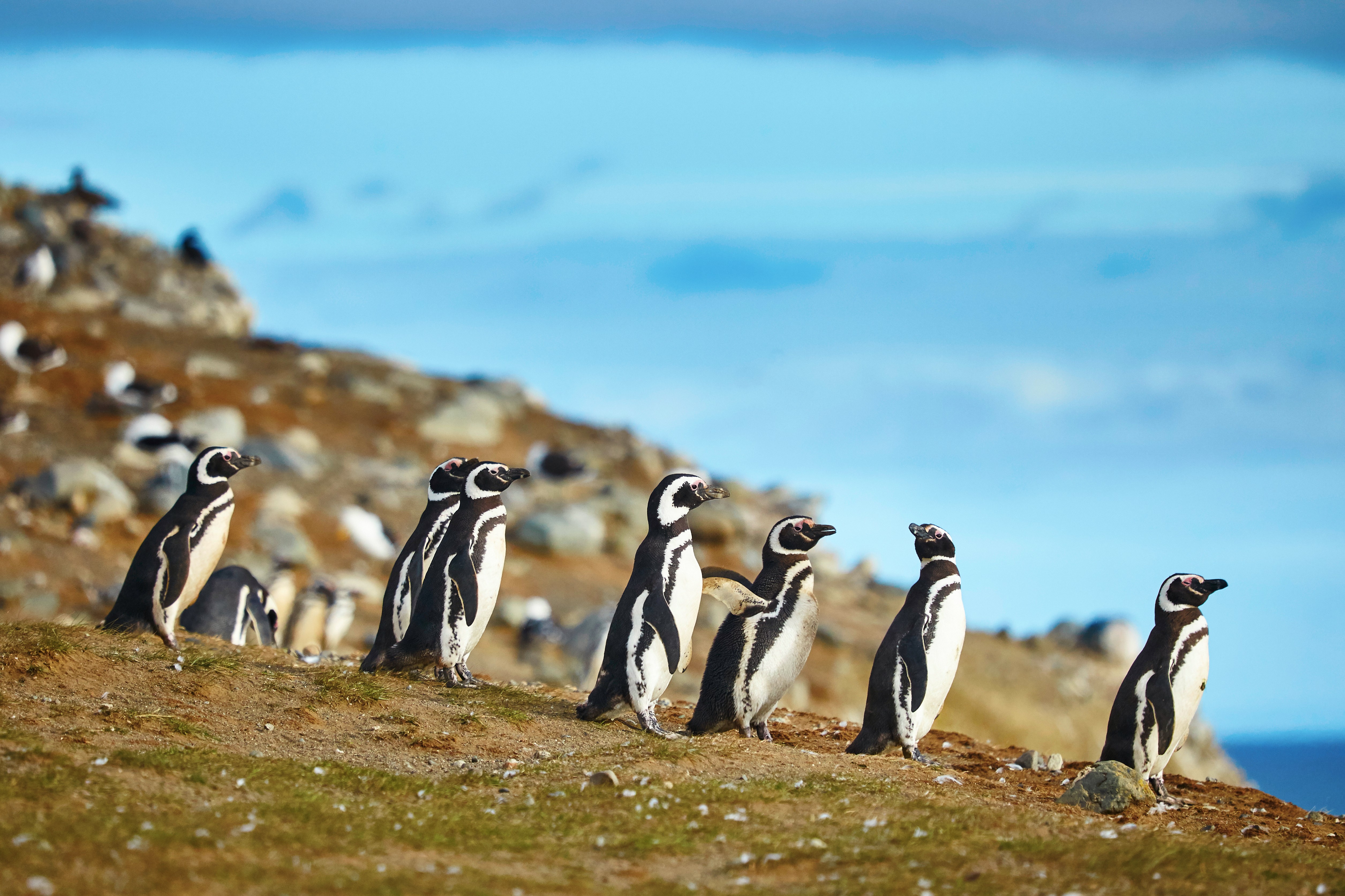
The headline news: Patagonia Azul Provincial Park, formally created in 2025, is now welcoming travelers to Chubut’s rugged Atlantic coast. New low-impact trails and coastal camps let you paddle alongside penguins, spot whales offshore, and explore previously inaccessible peninsulas, all in a way that protects the region’s fragile marine ecosystems.
Further south, the Patagonia Fantástica flight corridor links Puerto Madryn, El Calafate, and Ushuaia, making it easy to pair whale-watching with glacier hikes and "end-of-the-world" adventures. From Ushuaia, an expanded port means improved access to Antarctic expeditions.
Up north, ongoing rewilding projects in the Iberá Wetlands are restoring habitats for jaguars, anteaters, and pampas deer — and opening new opportunities for travelers to experience Argentina’s wilder side responsibly.
By Brin Andrews, Senior Travel Editor at Polarsteps
Bhutan
Nitish Waila/Shutterstock
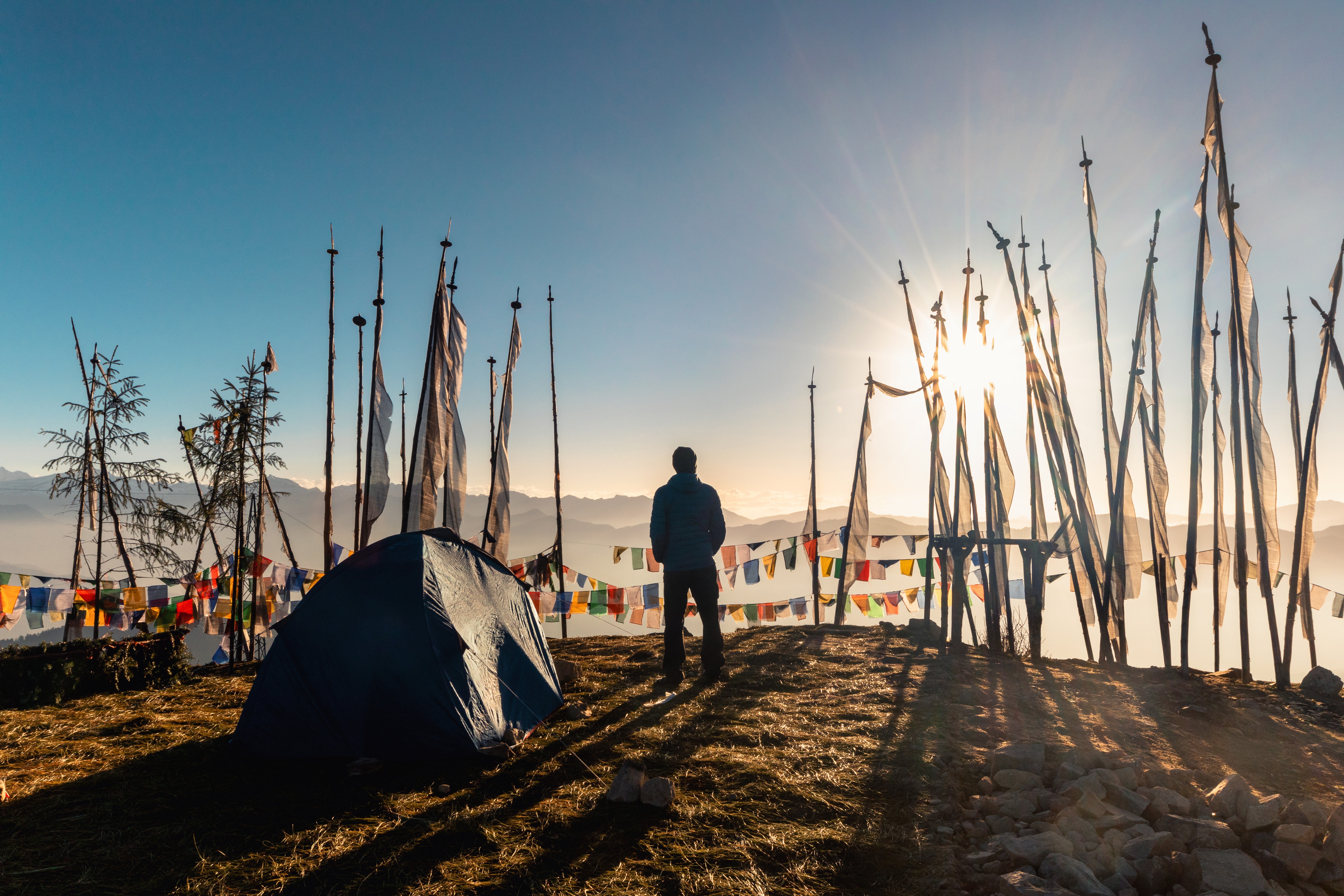
Tucked into the eastern Himalayas, Bhutan is a showcase of dramatic mountain landscapes and centuries-old dzongs (fortress-monasteries) strung with fluttering prayer flags. Its tight approach to tourism protects the country’s culture and natural beauty, but the mandatory SDF (Sustainable Development Fee) presents a substantial barrier, especially for budget travelers.
A 50% reduction to the SDF — now $100 USD per person, per night — remains in effect through August 2027, making 2026 the last full year to explore Bhutan at more accessible costs. New flight routes have made access easier than ever, with Drukair's Dubai connection and Bhutan Airlines' Hong Kong service opening gateways from the Middle East and Asia.
Adventure seekers can tackle the newly reopened 403km Trans Bhutan Trail, a heritage route closed for 60 years, or embark on high-altitude treks like Jomolhari and Druk Path, winding past glacial lakes, mountain passes, and yak-herder camps. These trails offer all the Himalayan grandeur of Nepal's famous routes, but with fewer crowds and a deeper focus on conservation.
By Matt Bainbridge, Senior Travel Editor at Polarsteps
Greenland
RavenEyePhoto/Shutterstock
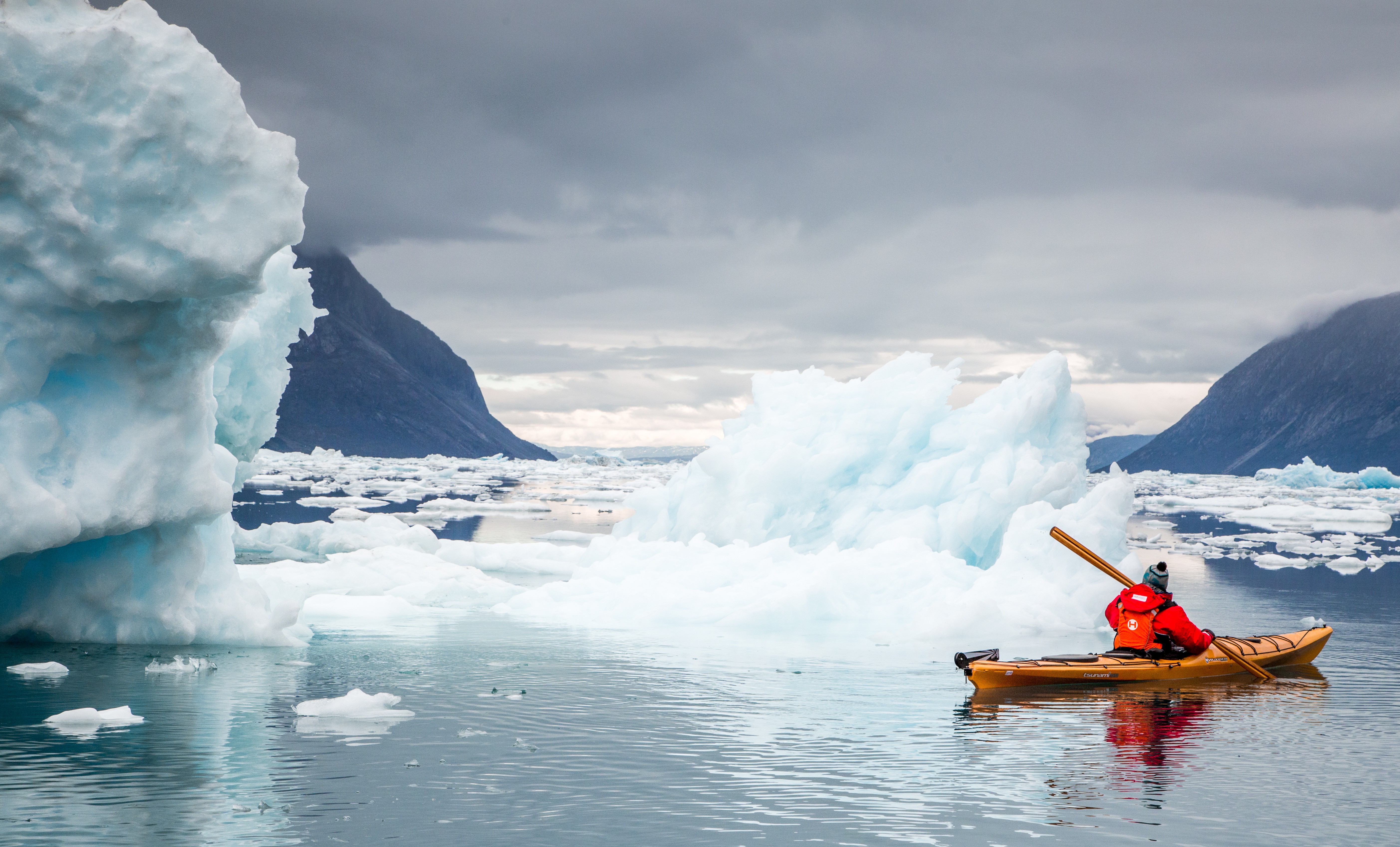
Long on the wishlist of many (and recently on the high-profile shopping list of one), the world’s largest island is the ultimate gateway to the Arctic. For those seeking adventures, its vast ice-covered landscapes of mountains, fjords, and jagged coastline provide unparalleled opportunities in pristine environments.
In 2026, direct flights from Iceland, Denmark, and the US, combined with vastly improved internal links, will make more of Greenland accessible than ever before. Hike the legendary 165km Arctic Circle Trail from Kangerlussuaq to Sisimiut, explore the UNESCO-listed Ilulissat Icefjord and its magnificent calving glaciers, or kayak through the shadows of towering icebergs in Disko Bay. And when the midnight sun has said its goodbyes, Greenland becomes a natural theater for witnessing the northern lights during autumn and winter.
By Matt Phillips, Head of Internationalization and Editorial at Polarsteps
Morocco
ID-VIDEO/Shutterstock
Morocco's labyrinth-like medinas, Saharan sunsets, windswept coastal towns, and rugged Atlas Mountains have long been a magnet for exploration. And in 2026, travelers will be able to add adventurous and previously hard-to-reach corners of this captivating country into the mix.
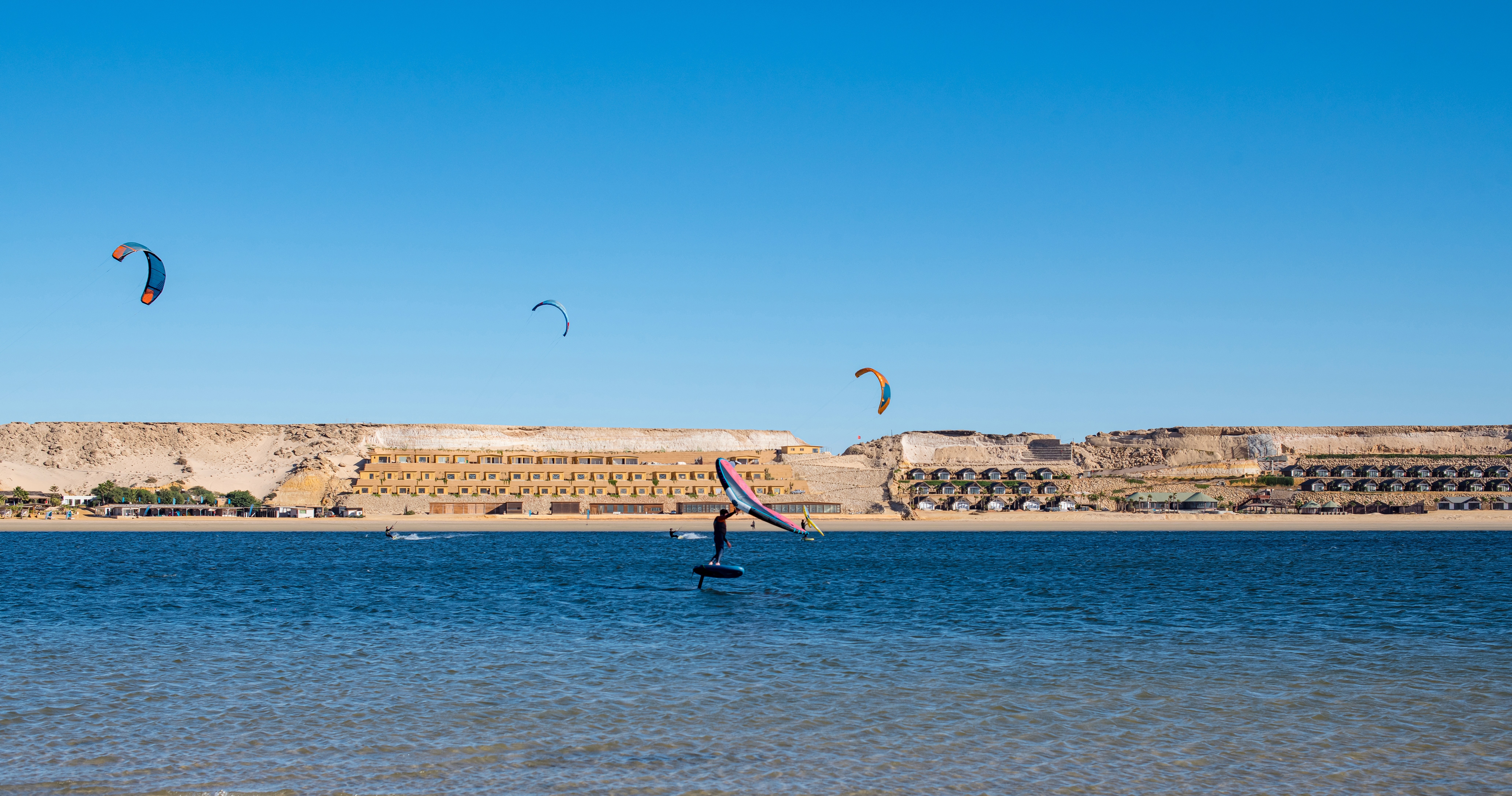
January 2025 saw the completion of the 1,055km Tiznit–Dakhla expressway, which transforms a large stretch of the Atlantic coast into a viable road-trip destination. With this new highway, Dakhla Lagoon's sandy beaches and legendary kitesurfing are accessible without the grueling detour and need for off-road vehicles.
Meanwhile, the High Atlas is quietly rebuilding. Post-2023 earthquake recovery efforts are upgrading rural infrastructure throughout 2026, meaning better transport links to trailheads and villages surrounding Toubkal National Park. North Africa's highest peak (4,167m) awaits serious hikers, but so do dozens of less-traveled routes now easier to reach.
By Claire Bissell, Senior Travel Editor at Polarsteps
Ready to plan your next adventure? Start mapping out your 2026 trip in Polarsteps. |
|---|
Cover image: MarinaTP/Shutterstock

Polarsteps Editors


