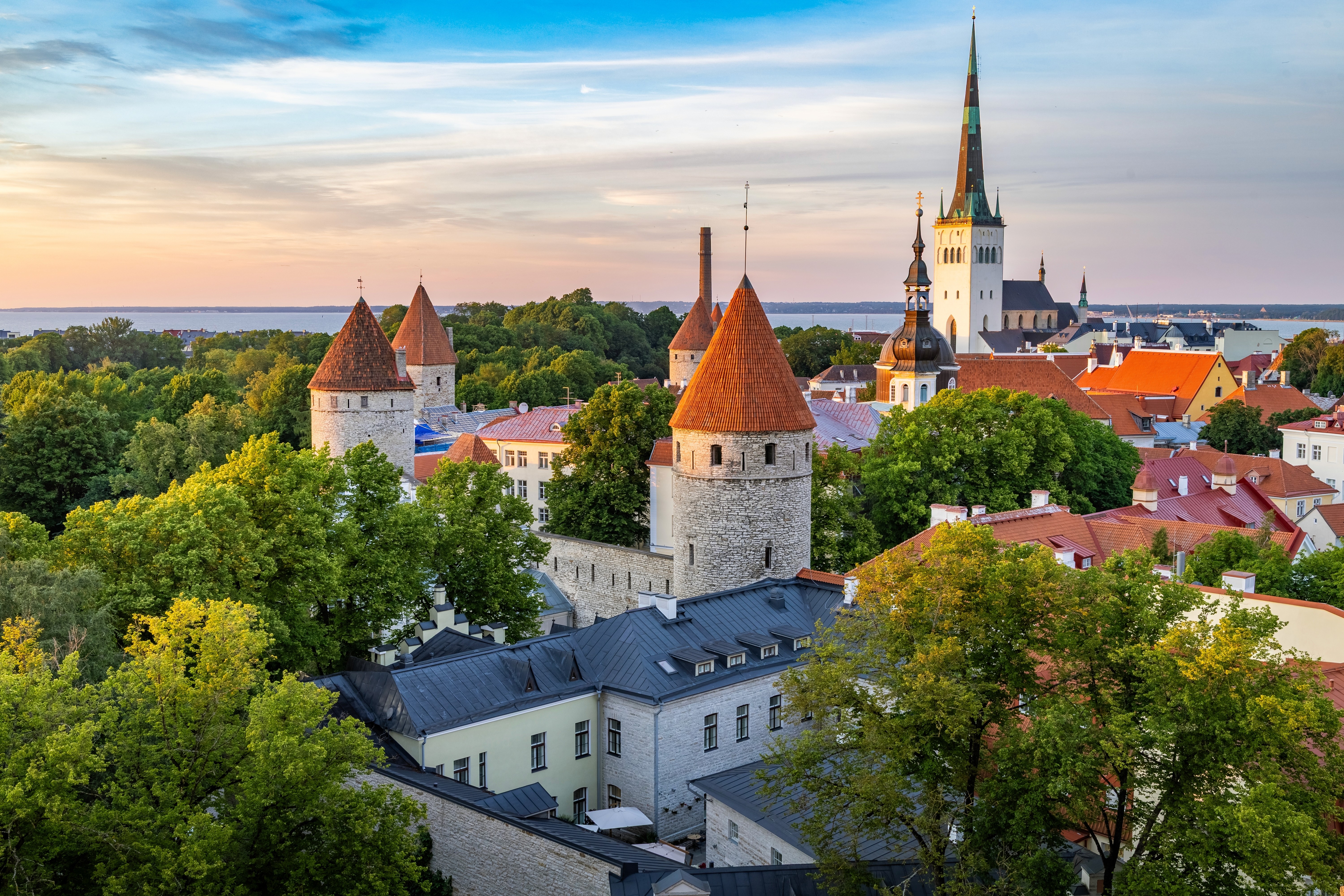
Why more travelers are heading to Lithuania, Latvia, and Estonia, and how to plan your own Baltic trip.
This year, our annual Polarsteps Travel Report revealed Lithuania, Latvia, and Estonia as the three fastest-growing destinations in Europe for Polarsteps travelers, with Lithuania seeing the strongest annual growth at 20%, followed by Latvia at 13% and Estonia at 12%.
Why are more travelers choosing the Baltics, and what do they find when they get there? This guide covers the basics. It offers an introduction to traveling in the Baltics, along with tips and inspiration to help you start mapping out a trip of your own.
The Baltic appeal
For many, this stretch of northern Europe falls into the category of places they know exist but might struggle to describe. At the same time, Polarsteps traveler data shows steady interest in city breaks, outdoor experiences, road trips, and easy route planning — and the Baltics deliver on all fronts.
Compared to Western Europe, the region remains relatively under the radar, which is ideal for travelers looking for a relaxed trip that doesn’t require locking in plans months in advance.
Another big advantage is how easy it is to get around. Vilnius, Riga, and Tallinn are all compact and walkable, distances between major stops in each country are short, and it’s easy to combine cities and nature without long detours. Connectivity continues to improve, particularly by train, adding more flexibility alongside the region’s well-established bus network.
Affordability is another draw. Day-to-day expenses in the Baltics tend to be lower than in much of Western Europe, making your travel budget stretch further.
Climate trends are also shifting interests north. As European summers become hotter, the Travel Report points to rising demand for cooler destinations. With mild summers and comfortable conditions in spring and autumn, the Baltics offer that coolcation alternative.
Exploring the Baltic capitals
For most travelers, the easiest place to start in the Baltics is with the three capitals. They’re close together, well connected by bus and train, and each has a vibe of its own. Many Polarsteps trips link them in a simple linear route, which is easy to plan and take at your own pace.
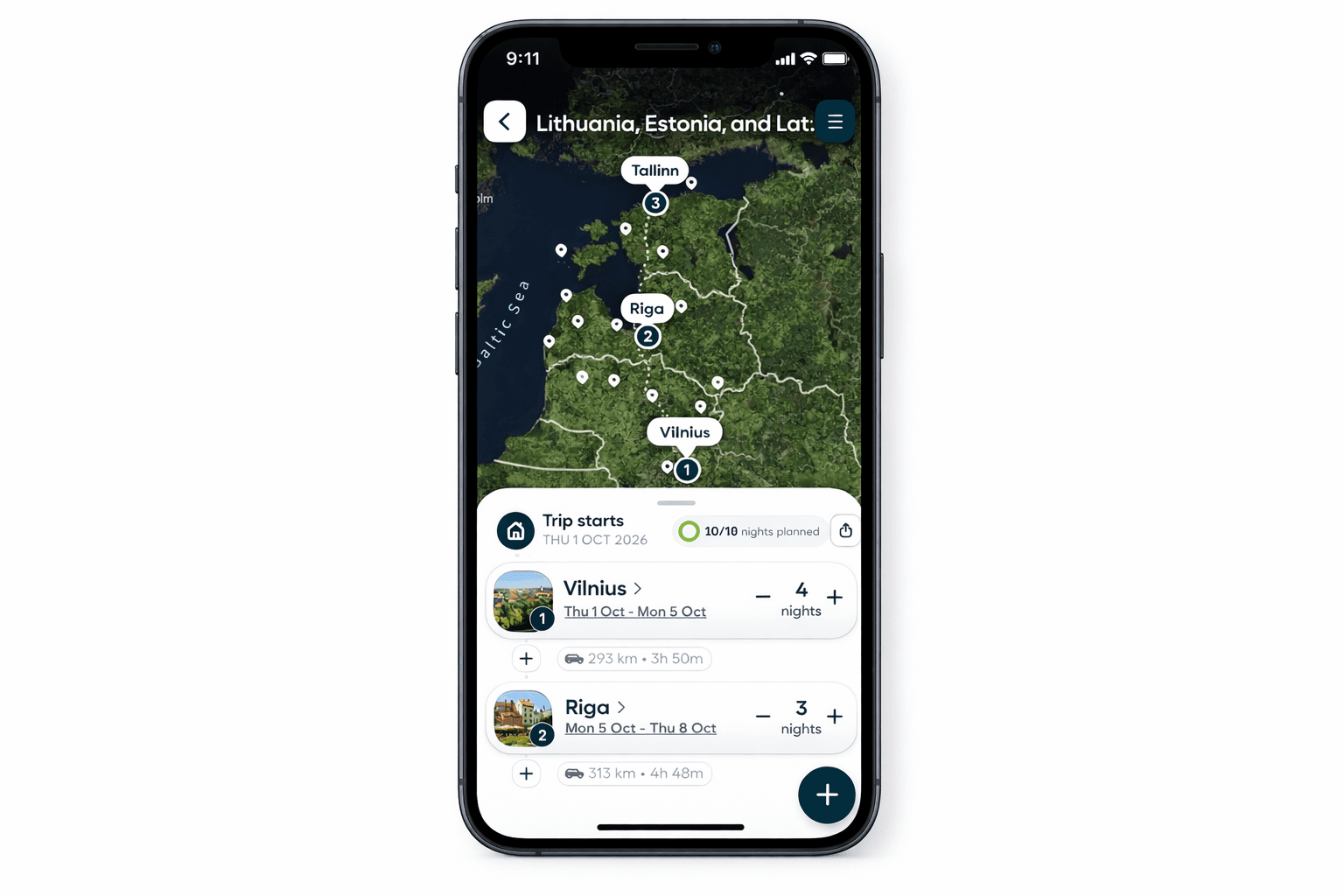
Here’s a snapshot of what each capital has to offer:
Vilnius, Lithuania
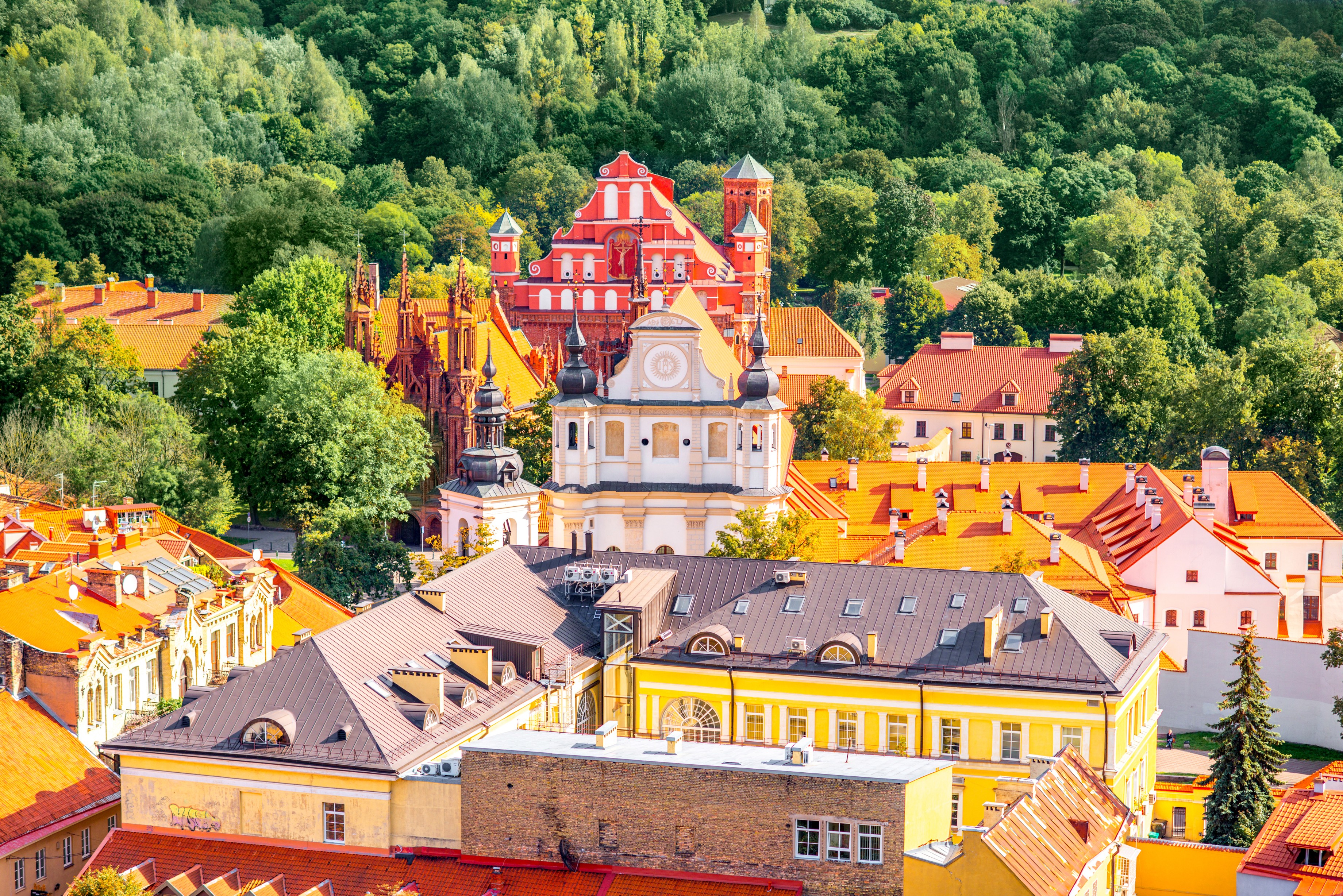
RossHelen/Shutterstock
Vilnius has an artistic, slightly bohemian vibe. Its Old Town is one of the largest surviving medieval centers in Europe, while neighborhoods like Užupis (a self-declared independent republic and artists' quarter) add a creative, modern twist. The city doesn’t shy away from its Soviet past either. The Museum of Occupations and Freedom Fights offers a confronting look into Lithuania’s 50-year history under Soviet rule.
Vilnius feels particularly green, with nearly half the city covered by trees and easy access to nearby lakes, forests, and historic castles.
Riga, Latvia

Rudy Mareel/Shutterstock
Riga feels grittier and more lived-in. Cafes, bars, and nightlife give it a more pronounced big-city energy, fueled largely by local craft beers and the signature Riga Black Balsam, a dark liqueur made in the city for centuries. The massive Central Market, housed inside old aircraft hangars, is one of the city’s focal points and a good place to get a sense of daily life. The riverfront and parks provide a welcome break from the busier streets.
Art Nouveau is a defining feature of Riga, with some 800 buildings clustered in a handful of neighborhoods, making it the highest concentration anywhere in the world.
Tallinn, Estonia
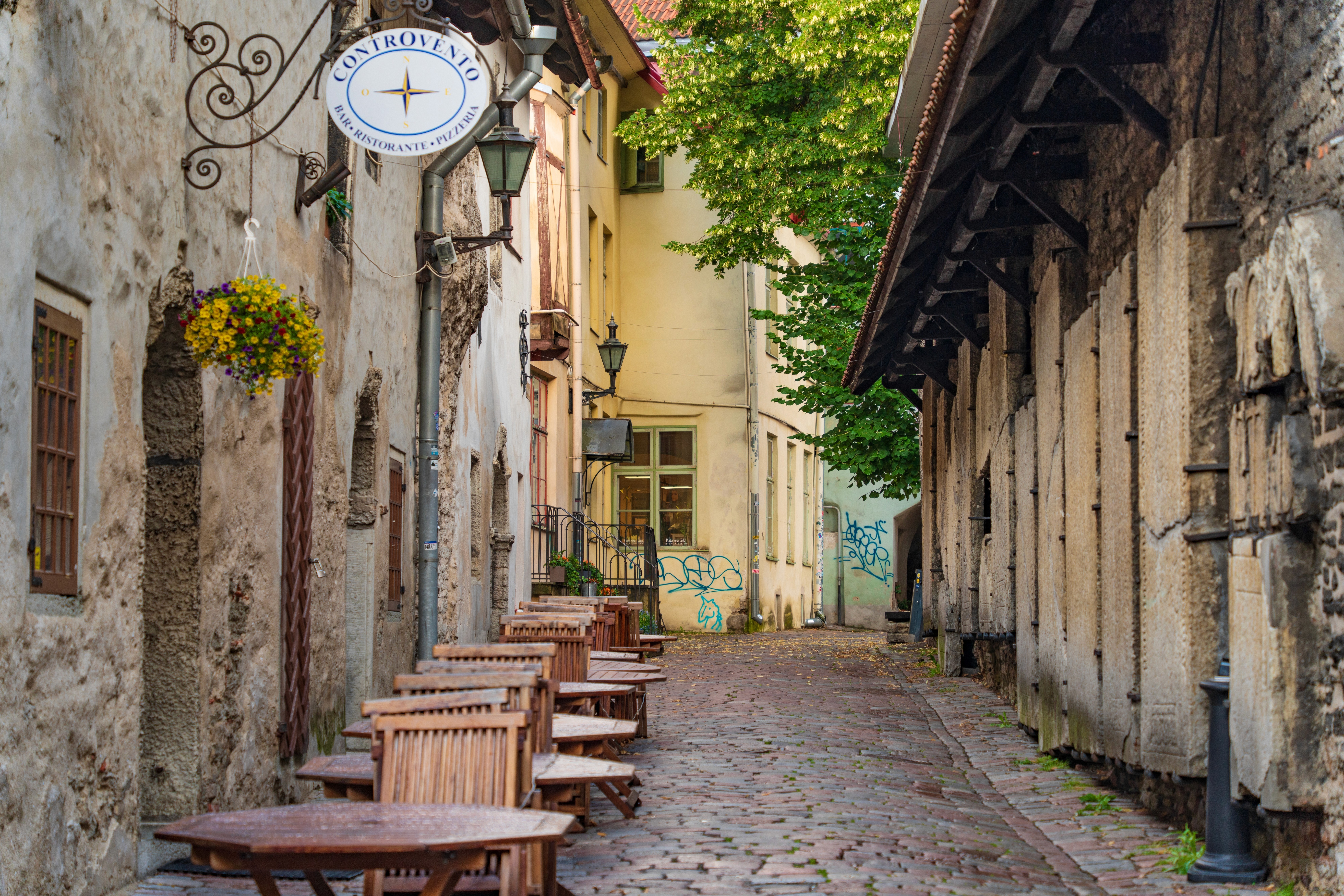
Mo Wu/Shutterstock
Tallinn’s medieval Old Town is remarkably intact, with 13th-century towers you can climb for views over the city’s red-tiled roofs. In contrast to its ancient heritage, it’s also one of Europe’s most digitally advanced cities. Skype was invented here, and public WiFi is fast, free, and widely available.
While the Old Town is gorgeous, it can get crowded with tourists. Telliskivi, a creative quarter set in old industrial buildings, offers an alternative perspective on the city, with indie shops, cafes, street art, and cultural spaces.
Including nature in your itinerary
If time allows, it’s well worth stepping out of the cities and into nature. Forests, lakes, national parks, and the Baltic coast are generally easy to reach by car or public transport, so it’s up to you whether you want to break up your city visits with quick nature detours or plan a more nature-focused trip.
Nature near the capitals
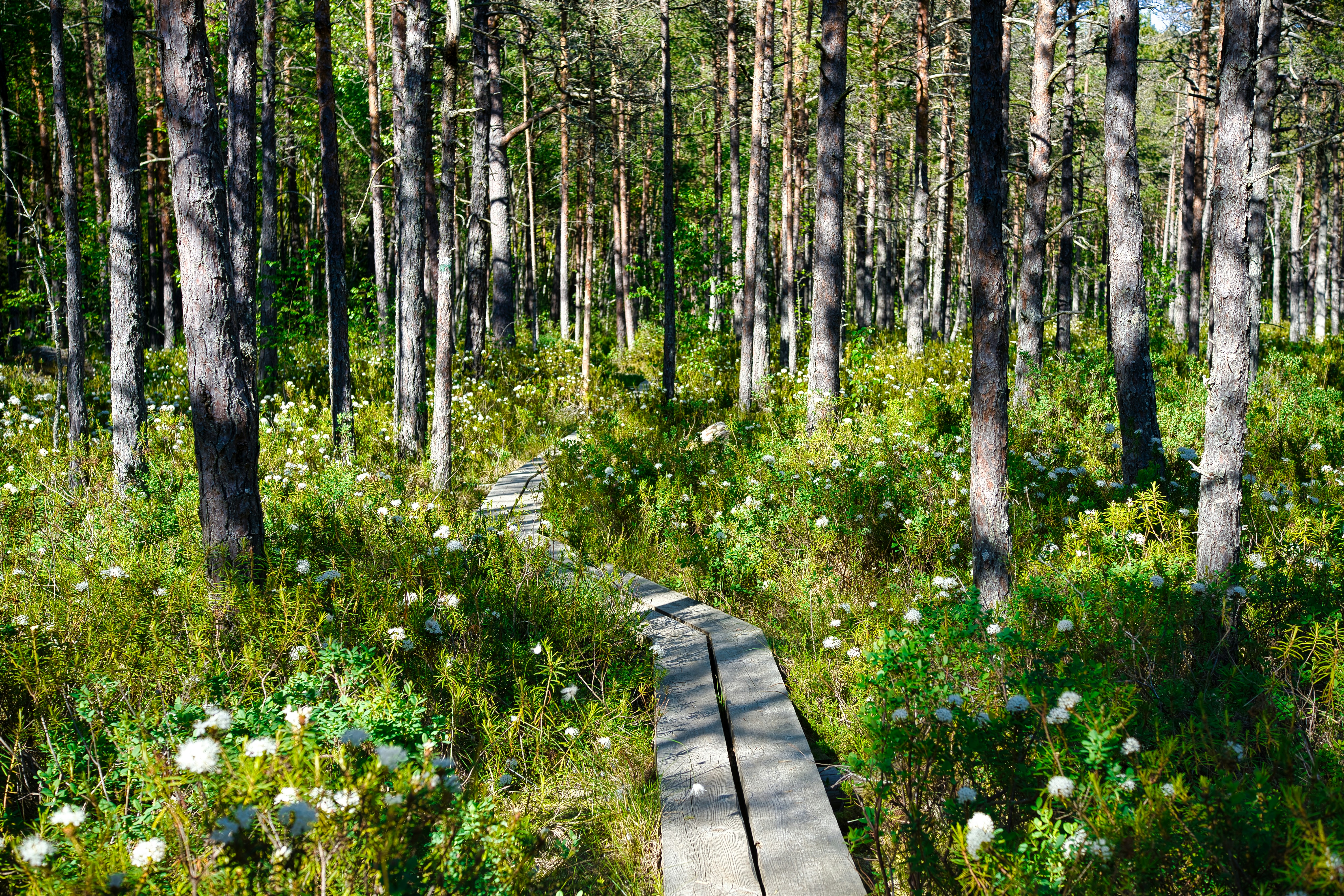
Maksim Shutov/Unsplash
A common approach of Polarsteps travelers is to pair city time with nearby national parks and lake districts.
Near Tallinn, tracked trips often branch out to Lahemaa National Park, known for its forests, bog walks, coastal trails, and historic manor houses. It's less than an hour from the capital, making it an easy day trip.
From Riga, Gauja National Park makes a great stopover on the way to Estonia, with hiking trails that follow river valleys and sandstone cliffs, passing medieval castle ruins along the way.
Outside Vilnius, Trakai Historic National Park combines lakeside walks and cycling routes with a compact historic center. The island castle sitting in Lake Galvė is the main draw, but nearby forest trails offer a quieter way to explore.
The Baltic Coast
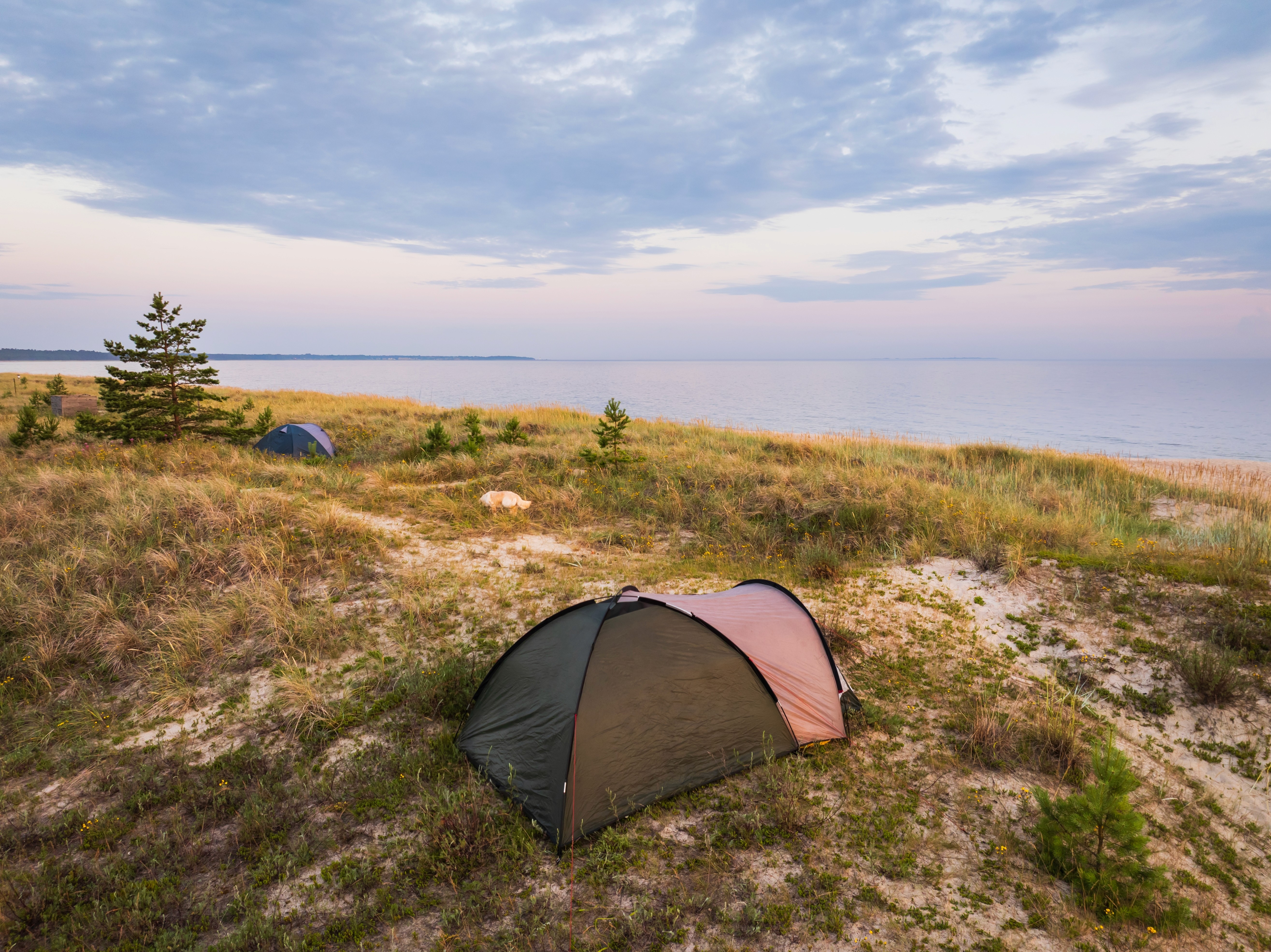
Dmitri T/Shutterstock
The Baltic coastline runs the length of all three countries, and rather than being filled with resorts or busy beach towns, it’s characterized by long sandy stretches, pine forests, dunes, and small settlements. With a rugged, windswept appeal, it suits hikers and cyclists more than sunbathers.
Lithuania’s star is the Curonian Spit, a 98-kilometer sand dune peninsula and UNESCO World Heritage Site. The dunes here are massive, some reaching 60 meters high, and are backed by pine forests, making it one of the best places in the region for long coastal walks.
Latvia’s coast centers around Jūrmala, a string of beach towns just outside Riga with 33 kilometers of white-sand beaches. It’s popular with locals in summer and has a relaxed feel.
Estonia’s coastline is more fragmented, with thousands of islands and inlets. The larger islands, like Saaremaa and Hiiumaa, feature lighthouses, windmills, and coastal villages, with quiet roads and cycling routes that encourage slower travel.
For serious hikers, the Baltic Coastal Hiking Route links all three countries along 1,400 kilometers of well-marked trail traversing beaches, forests, fishing villages, and quiet coastline. You don't need to walk the full distance. Many travelers choose shorter sections that fit their itinerary, whether that’s a few days or a few weeks.
Remote landscapes

F-Focus by Mati Kos/Shutterstock
If you want to venture further from the main routes, all three countries have quiet nature areas with minimal visitor traffic.
In western and central Estonia, Soomaa National Park is a landscape of wetlands, bogs, and floodplain forests, best known for its annual 'fifth season', when spring floods can make forests and meadows navigable by canoe. In the far east of the country, Alutaguse National Park feels even more remote, with dense forest and opportunities for spotting rare wildlife.
In Latvia, head inland to the expansive wetlands of Kemeri National Park, where visitor footfall quiets down just beyond the main boardwalks. Further east, the Latgale region and Rāzna National Park offer lakes, rolling hills, and slower-paced village life.
In southern Lithuania, Dzūkija National Park is the country’s largest protected area, with long, forested hiking trails and great mushroom-hunting opportunities. In the northeast, Aukštaitija National Park has over 100 lakes connected by rivers and streams, making it popular with kayakers.
These places work best as slower stretches between city stops. Accommodations are typically basic, and public transportation can be limited.
Practical info
Getting there and around
You can fly directly into any of the Baltic capitals from most major European cities. If you’re connecting your trip with Scandinavia, ferries run regularly between Tallinn and Helsinki, as well as between Stockholm and Riga or Tallinn.
Within the Baltics, long-distance buses are the most practical way to travel. Lux Express is the main operator, with frequent routes between capitals. Trains cover some routes, and connectivity keeps improving, but buses tend to be faster and offer more flexibility.
Renting a car makes the most sense if you want to explore national parks, coastal areas, or remote regions at your own pace.
Best time to visit
Late spring (May) and early autumn (Sep) are ideal, with mild weather and fewer crowds. Summer (Jun–Aug) brings warmer temperatures, making it the best time to visit the coast, though you’ll share the popular spots with more visitors. Winter (Dec–Feb) is cold and dark, but December has its appeal, with Christmas markets and a festive atmosphere in the capitals.
Currency
All three countries are part of the Eurozone, and card payments are widely accepted, though it’s worth carrying some cash for rural areas and small vendors.
Camping
Campsites are plentiful and low-cost, particularly in Estonia and Latvia. Wild camping is permitted in many areas, provided you follow local guidelines. Official campsites are generally well-maintained with basic facilities.
The region is well-suited for campervan travel, with good road infrastructure and plenty of scenic routes between major stops. The coastal road and forest routes between capitals make for particularly picturesque drives.
Build your itinerary
Whether you want to deep-dive into one country or get a feel for all three, a Baltic trip is easy to shape around your time and interests.
Some suggested timelines:
5–7 days: Focus on one country, pairing a capital with nearby nature.
10–14 days: Travel through all three capitals, with time for national parks or the coast along the way.
2–3 weeks: Slow the pace, add longer nature stays, or include islands and quieter regions between city stops.
Planning with Polarsteps
Use the Polarsteps app to explore routes, map your itinerary, and adjust plans as they develop. You can book accommodations directly in the app, invite Travel Buddies to plan together, and let friends and family follow along while you’re on the road.
Download the Polarsteps app to start planning your Baltic adventure. |
|---|
Cover image: Xseon/Shutterstock
Brin Andrews
Senior Travel Editor


