
Wherever you are in the world, you don’t need to go far or spend lots of time or money to find adventure. With just two days, a modest budget, and an appetite for aching muscles, you can get out into the wild and try something completely new.
Polarsteps Travel Editor Nicky Evans tried packrafting for the first time as part of a two-day mini hiking and rafting expedition in the Biesbosch National Park, and took her teenage son along for the ride.
Nicky and her son tried out The Packraft Trail as guests of Travelbase. For a more detailed account of their micro-adventure, check out Nicky’s Polarsteps trip. |
|---|
As a city transplant brought up in the countryside, I still love getting out into the wild. The only downside is all the time it takes to research, plan, and pack for these types of trips, especially without a car. In the past, I’ve been known to load up my bike with a tent, sleeping bags, hiking boots, and a child or two in my quest for a rural weekend. So when Travelbase offered me the chance to experience The Packraft Trail in the Biesbosch — with all preparation and equipment taken care of — I grabbed it. All I had to do was make it to base camp.
Where is the Biesbosch?
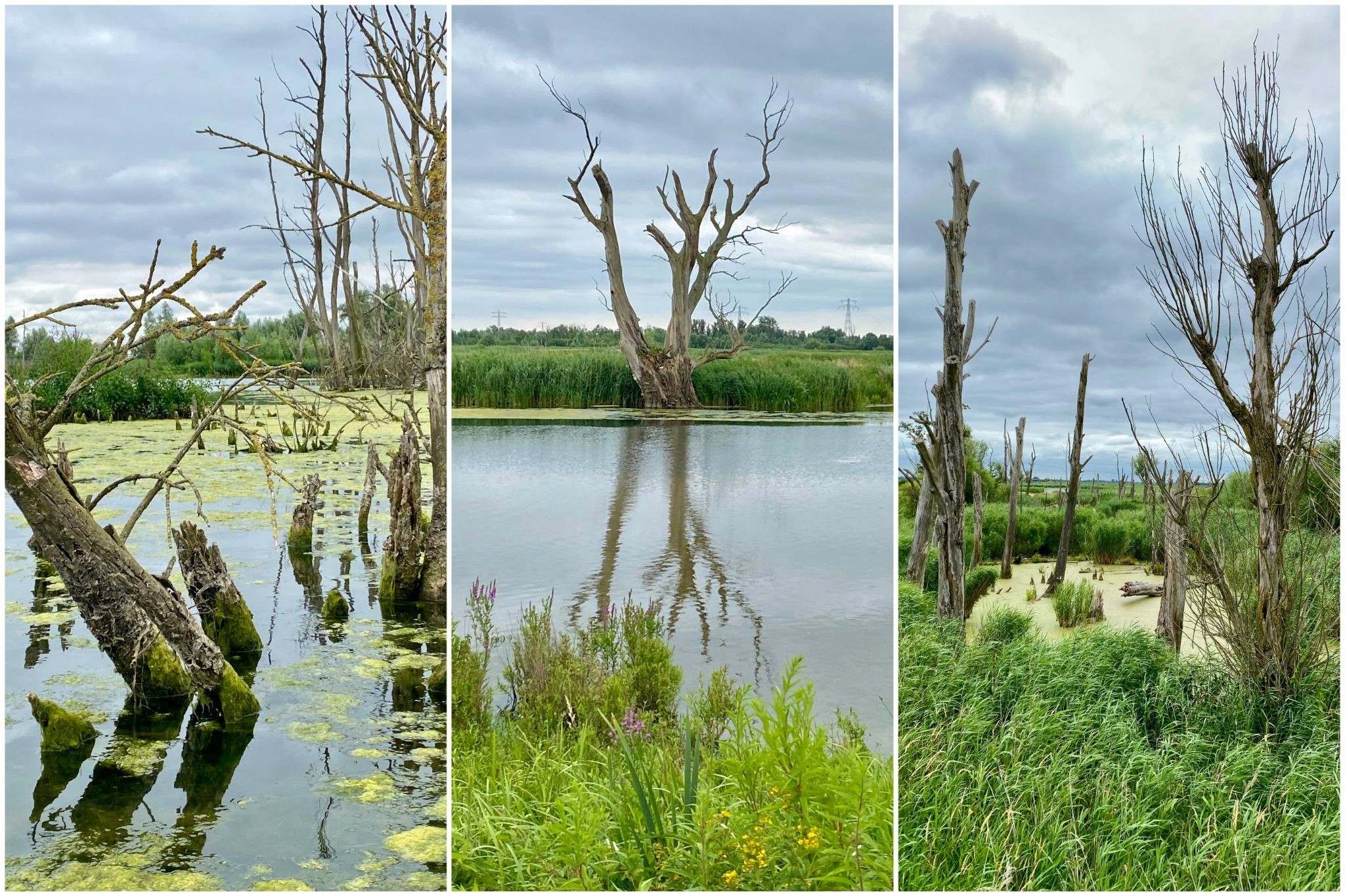
Located in the south of the Netherlands, the Biesbosch (literally: forest of rushes) is Europe’s largest freshwater tidal wetland; its sprawl of streams and swamps, punctuated by reed-edged islands, is home to wildlife including beavers and bald eagles. The area was created in 1421 as the result of a catastrophic flood, and it actually sits below sea level. The tide can rise 40cm in the course of each day.
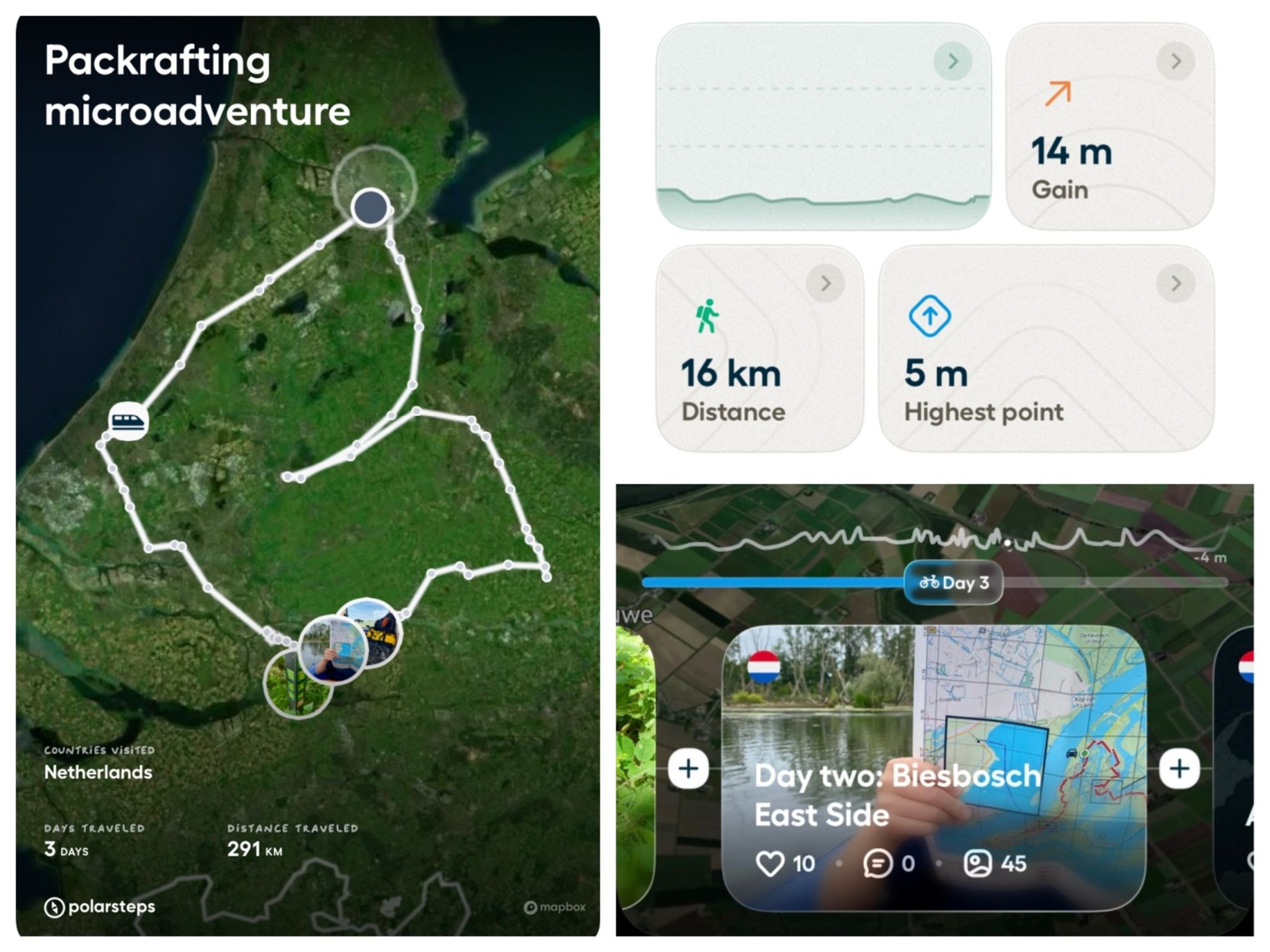
Traveling from Amsterdam, the Biesbosch’s main access points are via Dordrecht, northwest of the park, or Gorinchem, to the northeast. The base camp is located almost exactly between these two cities. With a combination of trains and good-old pedal power, my son and I made it to the camp the evening before our adventure, sleeping in a tent that we’d rented from Travelbase (and which the rangers had already kindly set up for us).
What is packrafting?
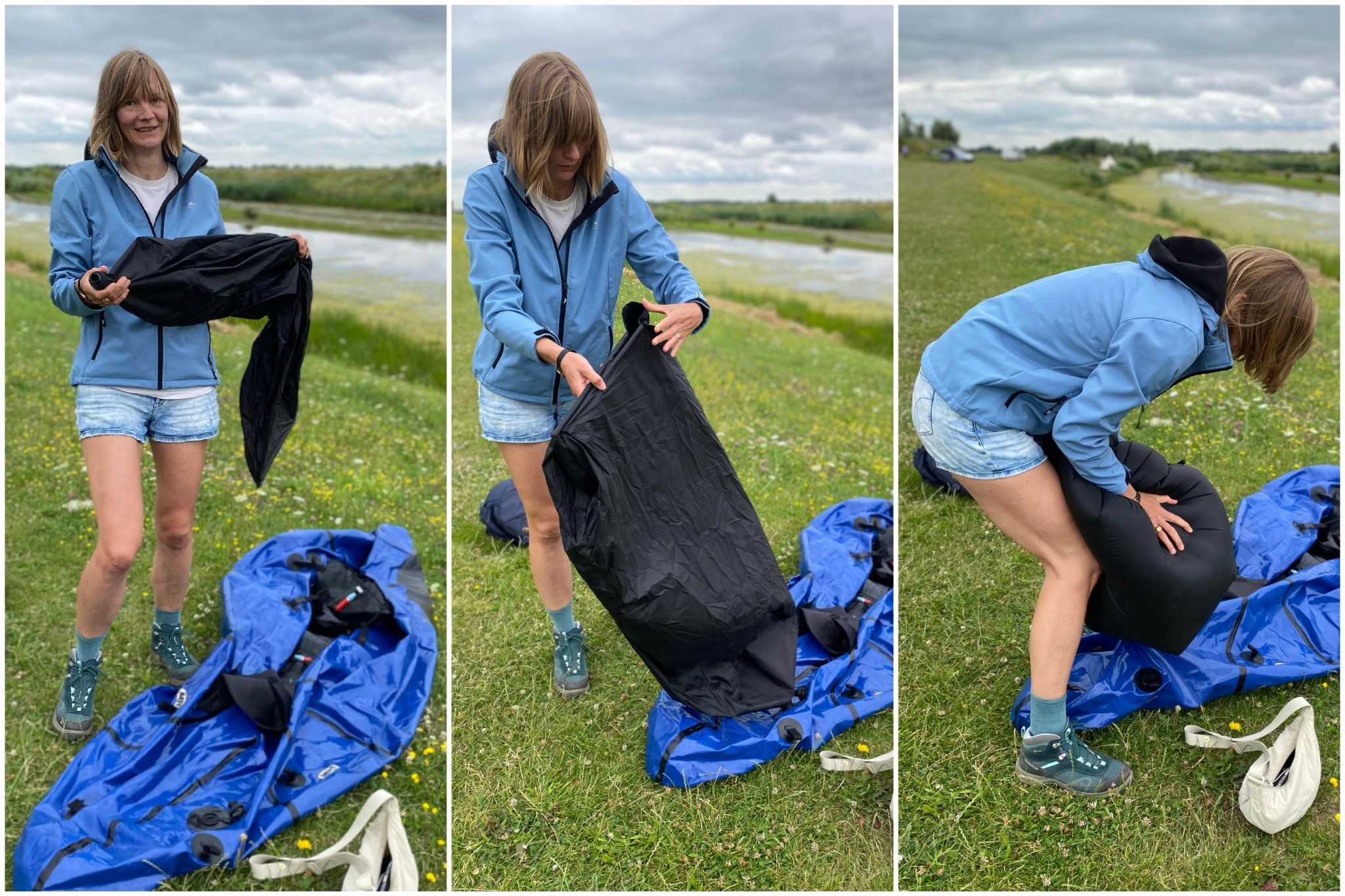
Packrafting originated in Alaska as a way of covering ground on foot and by boat while traveling light. You carry an inflatable kayak-canoe hybrid (the packraft) in your backpack, and deploy it whenever you need to cross water. The idea translates perfectly to the Biesbosch, where water surrounds and separates different hiking trails.
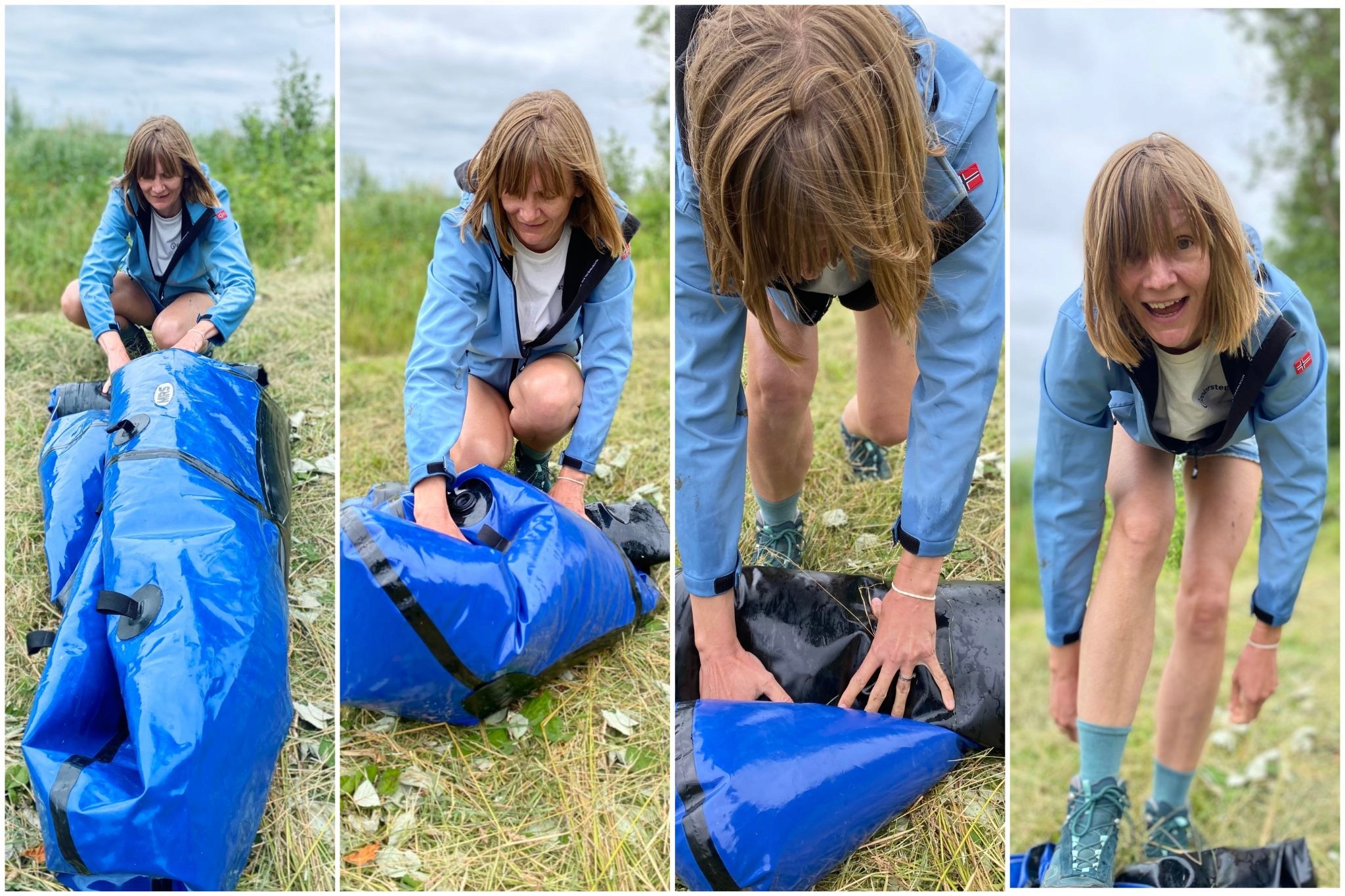
The packrafts themselves are incredibly easy to blow up — instead of a pump, you attach a large bag with a valve to the raft, catch air in the bag, and push it into the boat (as you can see in this trip step, it takes less than five minutes).
Day one: Biesbosch West Side

After breakfast on the first morning, we assembled for an equipment briefing and a demonstration on inflating a packraft. We filled the backpack, grabbed a map, and got a lift to the trailhead. After that, we were on our own. What was very handy to have with us was the Travelbase app, which provides information about The Packraft Trail, a route overview, GPS map, and an instant way of messaging the rangers.
For day one, my son and I could choose between a shorter route (10km of hiking + 4km of packrafting) or a longer one (16km of hiking + 4km of packrafting). The routes are connected to allow for ultimate flexibility — the aim of The Packraft Trail is to enjoy an active experience, rather than slog it out. Halfway through the extended loop, we decided to start paddling to give our shoulders a break from the packs and to enjoy being on the deliciously cool water in the baking heat.
I’ve always found kayaking itself uncomfortable because you’re trying to relax against hard plastic. To my delight, packrafting is very different: you’re basically reclining on a soft, squishy cushion.
Whether on land or on the water, we saw wildlife all around us: frogs hopping around our hiking boots; snails sheltering from the sun; cows grazing next to the water; and coots, swans, ducks, and grebes nesting in the reed beds and creeks. With no one else to share the paths and waterways with, we soaked up the surround-sound of nature — the rustling rushes, chirruping birds, and rhythmic splash of our paddles were pure ASMR.
That night, after covering a lot of ground, and cooking a campfire dinner back at base camp, we sat by the fire and filled up on marshmallows. We slept incredibly well.
Day two: Biesbosch East Side

When we woke up, the weather was cloudier and windier, so we decided on the shorter route (8km hiking + 6km rafting). For day two, we were exploring the east side of the Biesbosch: whereas day one’s hiking was all shaded willow forest, boardwalks, and bullrushes, the landscape on this day was more agricultural. The rafting, on the other hand, was stunning, with high reeds thriving with wildlife, traces of beaver dams, and bare tree trunks standing sentry around the islets, a characteristic of this flooded wetland (and a great place to spot birds).
Day two was all about the little details: spotting spiders spinning webs inside marsh plants, watching waterboatmen and dragonflies skimming the water’s surface, and even taking a bee that we rescued from drowning for a 10-minute ride while it dried off.
Having started the day with rafting, we hiked back to base camp, arriving mid-afternoon with enough time and energy left to cycle back to Dordrecht — especially since we didn’t need to pack up any of our camping equipment.
The Travelbase experience
Doing this activity with Travelbase made the experience really simple and is a nice balance between a guided group tour and the total freedom of a solo adventure. Everything is taken care of for you, but you’re not expected to hike and packraft with the larger group, and no one is micro-managing you. Plus, locations and routes are chosen with solitude and adventure in mind, so you won’t be where the crowds are, and the trails offer plenty of variation.
I’d recommend the following:
Download the Travelbase app before you set off. It contains clear information about your micro-adventure, plus a map to base camp, and even a packing list.
If you’re new to camping or don’t have a car, rent equipment from Travelbase for an extra fee. Not having to load a tent, sleeping bags, and enough food for two days onto a bike made the whole experience much easier.
Pay extra to stay at base camp the night before. The briefing starts at 9am sharp, and the first day is the longest, so it’s better to be well rested before you begin.
Ask the rangers for the best route for the day’s weather conditions. On day two, they advised us to do the route in reverse so that the wind would be at our backs when we were kayaking. On-the-ground tips like these were so valuable.
If you want the surroundings all to yourself, choose a weekday slot. We packrafted on a Tuesday and Wednesday in July, and the whole time we saw barely another soul. Weekends are busier in the Biesbosch in general, with lots of recreational boat traffic on sunny days.
If you’re not used to carrying a heavy pack (8–9kg) when you hike, choose the hill-free Biesbosch as a location rather than the hillier route in Luxembourg or the more mountainous Ardennes option. Also, start with a two-day micro-adventure rather than booking the seven-day Slovenian experience.
If, like me, you’re catching the train and cycling to the Biesbosch, the prettiest cycling route is from Dordrecht station. You’ll need to time your cycle ride with the little car ferry that crosses the water at Kop van ‘t Land (a small fee is charged).
The details
The two-day packrafting experiences in the Biesbosch, Mullerthal, or Ardennes start at €99. This includes all packrafting equipment, a night at base camp, and ranger support. Extra nights, tents, and food can be organized at extra cost. Transport is not included.
With thanks to Travelbase (@travelbase_) and The Packraft Trail (@thepackrafttrail).
Check out Nicky’s full packrafting experience on the Polarsteps app and plan your own packrafting adventure! |
|---|
Nicky Evans
Senior Travel Editor


